Understanding the intricacies of UV light technology is essential for homeowners looking to enhance their indoor air quality. Ultraviolet (UV) light is a form of electromagnetic radiation that exists in the spectrum beyond visible light. It is categorized into three types: UVA, UVB, and UVC, with UVC being the most effective for disinfection purposes. This specific wavelength has the ability to disrupt the DNA of microorganisms, rendering them inactive and unable to reproduce.
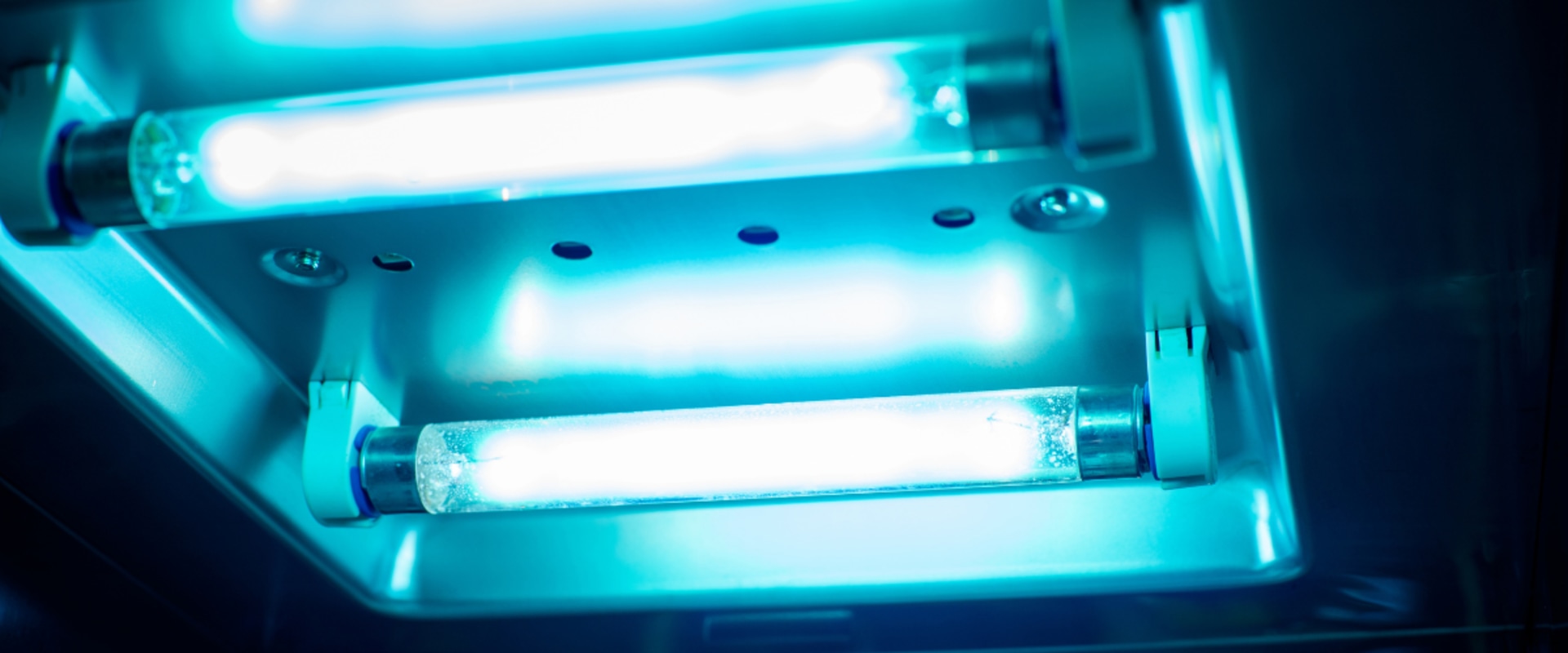
As a result, UVC light is widely utilized in various applications, including water purification, surface sterilization, and notably, air purification within HVAC systems.The mechanism by which UV lights work in air purification is both fascinating and effective. When installed within an HVAC system, these lights emit UVC radiation that targets airborne pathogens such as bacteria, viruses, and mold spores. As air circulates through the system, it passes by the UV light source, where harmful microorganisms are exposed to the radiation. This exposure leads to their destruction or inactivation, significantly reducing their presence in the air you breathe.
Moreover, UV lights can also help prevent the growth of mold and mildew on cooling coils and ductwork, which can otherwise contribute to poor air quality.The benefits of incorporating UV light technology into your home are numerous. Not only does it improve air quality by eliminating allergens and pathogens, but it also contributes to a healthier living environment overall. Homeowners may notice a reduction in allergy symptoms and respiratory issues as a result of cleaner air. Additionally, UV light installation can lead to lower energy costs by maintaining the efficiency of your HVAC system; cleaner coils operate more effectively and require less energy to cool or heat your home.
With these advantages in mind, understanding how UV light technology functions becomes crucial for anyone considering its installation.
The Importance of Indoor Air Quality
Indoor air quality (IAQ) is a critical aspect of our living environments that often goes unnoticed. Many people spend the majority of their time indoors, whether at home, work, or in other enclosed spaces. As a result, the quality of the air we breathe inside can significantly impact our health and overall well-being.Common indoor air pollutants include:- Volatile Organic Compounds (VOCs) : These are emitted by various household products such as paints, cleaning agents, and air fresheners. Prolonged exposure to VOCs can lead to headaches, dizziness, and even long-term health issues.
- Particulate Matter : Dust, pet dander, and pollen can accumulate in our homes, contributing to respiratory problems and allergies.
- Mold and Mildew : These thrive in damp environments and can release spores into the air, which may cause allergic reactions and respiratory issues.
- Carbon Dioxide (CO2) : High levels of CO2 can result from inadequate ventilation and can lead to fatigue, headaches, and impaired cognitive function.
- Bacteria and Viruses : Pathogens can circulate in the air, especially during cold and flu season, increasing the risk of illness.
Individuals with pre-existing conditions such as asthma or allergies may experience exacerbated symptoms. Moreover, even healthy individuals can suffer from short-term effects like irritation of the eyes, nose, and throat, as well as fatigue and difficulty concentrating. Long-term exposure to these pollutants can lead to chronic respiratory diseases, heart disease, and even cancer.Given these risks, it becomes evident that maintaining good indoor air quality is essential for a healthy home environment. Solutions like UV light installation can play a pivotal role in purifying the air by targeting harmful microorganisms and reducing allergens.
By understanding the importance of IAQ and taking proactive measures to improve it, homeowners can create a safer and more comfortable living space for themselves and their families.
How UV Lights Improve Air Quality
UV lights play a crucial role in enhancing indoor air quality by targeting and neutralizing various harmful microorganisms and pollutants. Their effectiveness lies in their ability to emit ultraviolet radiation, which disrupts the DNA of bacteria, viruses, and mold spores, rendering them inactive and unable to reproduce.One of the primary benefits of UV light installation in HVAC systems is the significant reduction of airborne pathogens. For instance, a study conducted by the American Society of Heating, Refrigerating and Air-Conditioning Engineers (ASHRAE) demonstrated that UV lights could achieve a remarkable 90% reduction in airborne influenza virus levels. This is particularly important during flu season or in households with vulnerable individuals, such as the elderly or those with compromised immune systems.Moreover, UV lights are highly effective against mold growth, which can thrive in damp environments.A study published in the Journal of Occupational and Environmental Hygiene found that UV-C light could reduce mold spores by up to 97% within a controlled environment. By installing UV lights within your HVAC system, you can significantly decrease the likelihood of mold proliferation, thus improving overall air quality.In addition to bacteria and mold, UV lights also help eliminate allergens such as dust mites and pet dander. These allergens can trigger respiratory issues and exacerbate conditions like asthma. By continuously purifying the air as it circulates through your HVAC system, UV lights ensure that these irritants are kept at bay.Another advantage of UV light technology is its low maintenance requirement.
Once installed, these systems operate automatically whenever the HVAC system is running, providing continuous air purification without the need for constant human intervention. This not only enhances convenience but also ensures that your home remains a safe haven from airborne contaminants.In summary, UV light installation offers a multifaceted approach to improving indoor air quality. By effectively targeting bacteria, viruses, mold spores, and allergens, UV lights contribute to a healthier living environment. As more homeowners recognize the importance of air quality, integrating UV technology into their HVAC systems becomes an increasingly popular choice.
Types of UV Light Systems for Home Use
When considering UV light installation for your home, it's essential to understand the various types of systems available.Each type serves a unique purpose and can significantly enhance your indoor air quality. Below, we explore the primary options for residential UV light systems.
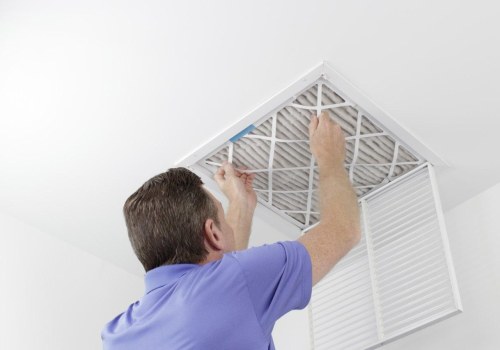
- Duct-Mounted UV Lights: These systems are installed directly within your HVAC ductwork. They work by emitting ultraviolet light that targets mold, bacteria, and other airborne pathogens as air circulates through the system. Duct-mounted units are particularly effective because they operate continuously when the HVAC system is running, ensuring that the air being circulated is consistently treated.
This type of installation is ideal for homeowners looking for a permanent solution to improve air quality throughout their entire home.
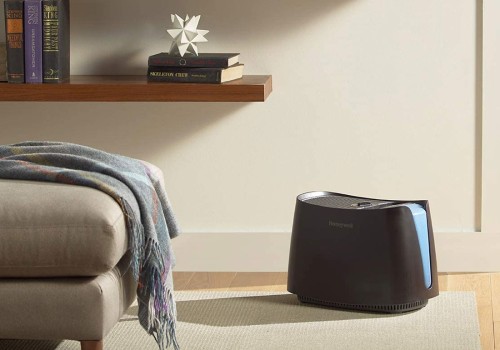
- In-Room UV Air Purifiers: For those who prefer a more flexible option, in-room UV air purifiers are portable units that can be moved from room to room as needed. These devices typically combine UV light with HEPA filters to capture larger particles while the UV light works to neutralize smaller pathogens. In-room purifiers are perfect for targeting specific areas of concern, such as bedrooms or living rooms, and can be particularly beneficial during allergy season or flu outbreaks.
- UV Light Bulbs: Another option is to use standalone UV light bulbs that can be placed in various locations around your home. These bulbs can be used in conjunction with existing air purifiers or even in lamps designed for this purpose.
While they may not provide the same level of coverage as duct-mounted systems, they can still contribute to reducing airborne contaminants in localized areas.
The Installation Process of UV Lights
Installing UV lights in your home can significantly enhance air quality, but understanding the installation process is crucial for achieving optimal results. Whether you choose to hire a professional or tackle the project yourself, knowing what to expect can make the process smoother.Understanding the Installation Process
The installation of UV lights typically involves several key steps:- Assessment of HVAC System: Before installation, it’s essential to evaluate your HVAC system. This includes checking the ductwork and ensuring that the system is compatible with UV light technology.
- Choosing the Right UV Light: Select a UV light that suits your needs.
There are various types available, including coil sterilization lights and air purification lights. Each serves a different purpose, so understanding their functions is vital.
- Location Selection: The effectiveness of UV lights depends on their placement. Ideally, they should be installed in areas where they can target mold and bacteria effectively, such as near the evaporator coil or in the ductwork.
- Installation: This step involves mounting the UV light fixture securely and connecting it to the power supply. If you’re opting for a DIY installation, ensure you follow the manufacturer’s instructions carefully.
Professional vs DIY Installation
When considering UV light installation, you have two primary options: hiring a professional or doing it yourself.Each approach has its advantages and disadvantages.
- Professional Installation:
- Expertise: Professionals have the training and experience to install UV lights correctly, ensuring maximum efficiency.
- Time-Saving: Hiring an expert can save you time and effort, allowing you to focus on other home improvement projects.
- Warranty Protection: Many professionals offer warranties on their work, providing peace of mind in case of future issues.
- DIY Installation:
- Cost-Effective: Installing UV lights yourself can save money on labor costs.
- Satisfaction: Completing a home improvement project can be rewarding and give you a sense of accomplishment.
- Learning Experience: DIY installation allows you to learn more about your HVAC system and how it operates.
Maintenance and Care for UV Light Systems
To ensure that your UV light installation continues to operate at peak efficiency, regular maintenance and care are essential. Just like any other component of your HVAC system, UV lights require attention to maximize their lifespan and effectiveness in improving indoor air quality.1.Regular Inspection
- Conduct routine inspections of your UV light system at least twice a year. Look for any signs of wear or damage, such as discoloration or physical deterioration of the bulbs.
- Check the housing and mounting brackets to ensure they are secure and free from dust or debris that could obstruct the light's effectiveness.
2.Cleaning the UV Lights
Dust and grime can accumulate on the UV bulbs, reducing their effectiveness.
To maintain optimal performance:
- Turn off the HVAC system before cleaning to ensure safety.
- Use a soft cloth or a microfiber towel to gently wipe down the bulbs. Avoid using harsh chemicals that could damage the surface.
- For more thorough cleaning, consult the manufacturer’s guidelines for specific cleaning solutions that are safe for use on UV lights.
3.Replacing UV Bulbs
The lifespan of UV bulbs typically ranges from 9,000 to 12,000 hours of operation. To maintain air quality:
- Keep track of the operating hours and replace bulbs as recommended by the manufacturer, usually every 12 months.
- When replacing bulbs, ensure you use the correct type specified for your system to avoid compatibility issues.
4.Professional Maintenance
While homeowners can perform basic maintenance, it’s advisable to schedule professional inspections annually. A qualified technician can:
- Thoroughly assess the entire HVAC system, including the UV lights.
- Identify any potential issues that may not be visible during routine checks.
- Ensure that all components are functioning harmoniously for optimal air purification.
5.Monitoring System Performance
Pay attention to changes in air quality or unusual odors in your home, as these may indicate that your UV light system is not functioning properly.
Keeping a log of maintenance activities and performance observations can help you identify patterns and address issues promptly.By following these maintenance tips, you can ensure that your UV light installation remains effective over time, providing you with cleaner air and a healthier living environment.
Cost Considerations for UV Light Installation
When considering UV light installation in your home, understanding the financial implications is crucial. The initial costs can vary significantly based on several factors, including the type of UV system you choose, the size of your home, and whether you opt for professional installation or a DIY approach.Initial Costs
- The price of UV light systems typically ranges from $100 to $1,000, depending on the model and features.
- Professional installation can add an additional $200 to $500 to your total cost, but it ensures that the system is set up correctly for optimal performance.
- DIY installations can save you money upfront but may require a learning curve and additional tools.
Budgeting for Air Quality Improvements
When budgeting for air quality improvements, it’s essential to consider not just the upfront costs but also the long-term savings. Investing in UV lights can lead to:
- Reduced Health-Related Expenses: Improved air quality can decrease the incidence of respiratory issues and allergies, potentially lowering medical bills over time.
- Energy Savings: By keeping your HVAC system cleaner and more efficient, UV lights can help reduce energy consumption, leading to lower utility bills.
Return on Investment (ROI)
The ROI on UV light installation can be substantial. Homeowners often report:
- A decrease in allergy symptoms and respiratory problems, which translates to fewer doctor visits and medications.
- A longer lifespan for HVAC systems due to reduced wear and tear from contaminants.
- Increased home value; potential buyers may be more attracted to homes with advanced air quality systems.
Frequently Asked Questions About UV Light Installation
When considering UV light installation in your home, it's natural to have questions and concerns.Below are some of the most frequently asked questions about UV lights, their functionality, and common misconceptions surrounding this technology.
What are UV lights and how do they work?
Ultraviolet (UV) lights are a type of electromagnetic radiation that can effectively kill or deactivate microorganisms such as bacteria, viruses, and mold spores. They work by disrupting the DNA or RNA of these pathogens, rendering them unable to reproduce and cause illness. In HVAC systems, UV lights are strategically placed within the ductwork or near the air handler to ensure that air passing through is treated before it circulates throughout your home.Are UV lights safe for my family and pets?
Yes, when installed correctly, UV light systems are safe for both humans and pets. The UV-C light used in air purification systems is contained within the HVAC unit and does not escape into living spaces.However, it is essential to have a professional handle the installation to ensure safety measures are in place.
Will UV lights eliminate all indoor air pollutants?
While UV lights significantly reduce airborne pathogens and allergens, they do not eliminate all types of indoor air pollutants. For example, they may not effectively remove particulate matter like dust or pet dander. Therefore, it is advisable to use UV lights in conjunction with other air purification methods, such as HEPA filters, for comprehensive air quality improvement.How often should I replace UV bulbs?
The lifespan of UV bulbs varies depending on the type and usage but generally ranges from 9 to 12 months. Regular maintenance checks are recommended to ensure optimal performance.Many systems come with indicators that alert you when it's time for a replacement.
Can I install UV lights myself?
While some homeowners may feel comfortable with DIY projects, UV light installation is best left to professionals. Proper placement and electrical connections are crucial for effectiveness and safety. A qualified technician can ensure that the system is installed correctly and operates efficiently.Do UV lights consume a lot of energy?
No, UV lights are energy-efficient devices. They typically consume less energy than traditional light bulbs.When integrated into your HVAC system, they operate only when the system is running, making them a cost-effective solution for improving indoor air quality.By addressing these common questions and misconceptions about UV light technology, homeowners can make informed decisions about enhancing their indoor air quality through effective installation practices.
Conclusion: The Future of Home Air Quality with UV Lights
As we look towards the future of home air quality, the role of UV light installation becomes increasingly significant. The advancements in technology and our growing understanding of indoor air pollutants highlight the necessity for effective solutions that can enhance the health and well-being of our living spaces.Throughout this article, we have explored how UV lights work to eliminate harmful microorganisms, allergens, and pollutants from the air we breathe. By integrating UV light systems into your HVAC setup, you not only improve air quality but also contribute to a healthier environment for your family. The statistics are compelling; with studies showing reductions in mold and bacteria by up to 97%, it’s clear that these systems can make a substantial difference.Moreover, the convenience of UV light installation cannot be overstated.These systems operate seamlessly with your existing HVAC units, activating when the fan is on to ensure continuous air purification without requiring additional effort on your part. This integration means that you can enjoy cleaner air without disrupting your daily routine.Looking ahead, as more homeowners become aware of the benefits of UV lights, we can expect a shift in how indoor air quality is prioritized. The demand for air purification technologies will likely increase, leading to further innovations in UV technology and its applications in residential settings.In conclusion, investing in UV light installation is not just a trend; it is a proactive step towards ensuring a healthier home environment. As we continue to navigate through various health challenges and environmental concerns, embracing such technologies will be crucial in safeguarding our indoor spaces.
By choosing to implement UV lights in your home, you are taking a significant stride towards enhancing your family's health and comfort.Ultimately, the future of home air quality is bright with UV technology at the forefront. It’s time to consider how these powerful tools can transform your living space into a sanctuary of clean air.