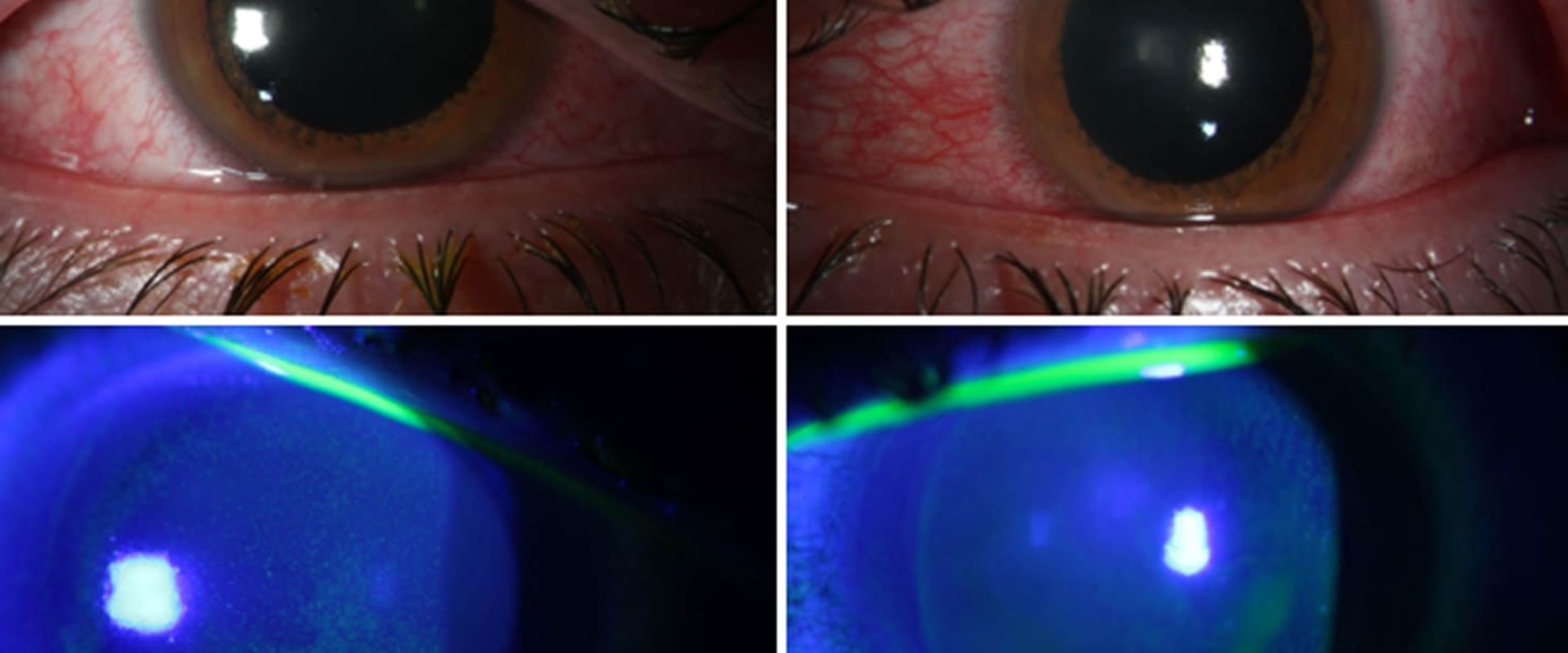
Ultraviolet (UV) light is a form of electromagnetic radiation that exists beyond the visible spectrum, and it plays a crucial role in various applications, particularly in disinfection and sterilization. Understanding the different types of UV light is essential for grasping how these technologies work and their effectiveness in improving indoor air quality. UV light is categorized into three primary types: UVA, UVB, and UVC, each with distinct properties and uses. UVA rays, which have the longest wavelength, are primarily associated with skin aging and can penetrate deep into the skin. They are commonly used in tanning beds and are known for their ability to cause long-term skin damage.
UVB rays, on the other hand, are responsible for sunburns and play a significant role in vitamin D synthesis in the skin. While both UVA and UVB have their applications, it is UVC rays that stand out for their germicidal properties. UVC light has a wavelength range of 200 to 280 nanometers and is highly effective at destroying bacteria, viruses, and other harmful microorganisms. This makes it an invaluable tool in settings where sanitation is paramount, such as hospitals, laboratories, and even residential environments. The effectiveness of UVC light lies in its ability to disrupt the DNA or RNA of pathogens, rendering them incapable of reproduction and infection. Incorporating UV light installation into air purification systems can significantly enhance indoor air quality by continuously eliminating airborne pathogens.
This not only helps in reducing the spread of illnesses but also creates a healthier living environment for everyone. As we delve deeper into the benefits of continuous UV light exposure, it becomes clear that understanding these different types of UV light is fundamental to leveraging their full potential.
The Science Behind UV Light Disinfection
Understanding the science behind UV light disinfection is crucial for appreciating its role in maintaining a healthy indoor environment. Ultraviolet (UV) light, particularly the UVC spectrum, has been proven to be an effective method for eliminating harmful microorganisms, including bacteria, viruses, and fungi.How UV Light Kills Germs
The mechanism by which UV light kills germs is primarily through a process known as photodimerization. When microorganisms are exposed to UVC light, the energy from the light is absorbed by their DNA or RNA.
This absorption causes the formation of covalent bonds between adjacent thymine bases in the DNA, leading to the creation of dimers. These dimers disrupt the normal structure of the DNA, preventing the microorganism from replicating and ultimately leading to its death.Research has shown that UVC light can effectively inactivate a wide range of pathogens. For instance, studies have demonstrated that UVC exposure can reduce the viral load of influenza and coronaviruses by over 99% within minutes. This rapid action makes UV light a powerful tool in environments where hygiene is paramount.
UV Light Effectiveness
The effectiveness of UV light disinfection is influenced by several factors:
- Intensity of Light: The strength of the UV light source plays a significant role in its ability to kill pathogens.
Higher intensity means more energy is delivered to microorganisms, increasing the likelihood of effective disinfection.
- Exposure Time: Continuous exposure is essential for maximizing disinfection. The longer pathogens are exposed to UV light, the more effective it becomes at inactivating them.
- Distance from Source: The distance between the UV light source and the microorganisms also affects effectiveness. Closer proximity results in higher intensity exposure.
- Type of Pathogen: Different microorganisms have varying levels of susceptibility to UV light. For example, bacterial spores may require longer exposure times compared to enveloped viruses.
The Disinfection Process
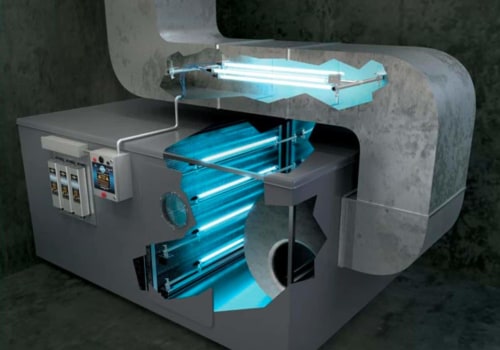
In practical applications, such as HVAC systems or water treatment facilities, continuous UV light installation ensures that air or water is consistently treated as it circulates through the system.
This ongoing disinfection process not only reduces existing microbial populations but also prevents future growth by continuously exposing pathogens to lethal doses of UV radiation.In summary, understanding how UV light kills germs and its effectiveness in various environments underscores its importance as a disinfection method. By leveraging continuous exposure through proper UV light installation, we can significantly enhance indoor air quality and reduce health risks associated with airborne pathogens.
Benefits of Continuous UV Light Exposure
Maintaining continuous exposure to UV light offers a multitude of benefits, particularly in enhancing indoor air quality and promoting overall health. One of the most significant advantages is the ability of UV light to effectively neutralize harmful microorganisms, including bacteria, viruses, and mold spores. This is especially crucial in environments where air quality is compromised, such as homes with pets, high humidity, or areas prone to allergens.Improved Indoor Air Quality
- UV light systems work by emitting UVC rays that penetrate the cell walls of pathogens, rendering them inactive.
This process significantly reduces the concentration of airborne contaminants.
- By continuously cycling air through UV light installations, homes can achieve a cleaner atmosphere, which is essential for maintaining a healthy living space.
- According to studies, UV light can eliminate up to 99.9% of pollutants in the air, making it a powerful tool for improving indoor air quality.
Reduction of Allergens
For individuals suffering from allergies or respiratory conditions, continuous UV light exposure can be particularly beneficial:
- UV systems help to reduce allergens such as dust mites, pollen, and pet dander by killing the microorganisms that contribute to these irritants.
- This reduction in allergens can lead to fewer allergy attacks and improved comfort for those with sensitivities.
Health Benefits
The health implications of improved air quality cannot be overstated:
- Individuals with asthma or chronic obstructive pulmonary disease (COPD) often experience relief from symptoms when exposed to cleaner air.
- Moreover, reducing the presence of harmful pathogens can lower the risk of respiratory infections and other illnesses.
UV Light Installation: Best Practices
Installing UV lights effectively is crucial for maximizing their benefits in improving indoor air quality and eliminating harmful pathogens. Here’s a comprehensive guide on best practices for UV light installation that will help you achieve optimal performance.1.Choosing the Right Location
The placement of your UV lights is vital for their effectiveness. Here are some key considerations:- Airflow: Install UV lights in areas where air circulation is strong, such as near HVAC systems or air ducts.
This ensures that the maximum amount of air passes through the UV light, enhancing its ability to eliminate pathogens.
- Direct Exposure: Position the UV light so that it directly illuminates surfaces and areas prone to microbial growth, such as bathrooms, kitchens, and HVAC coils.
- Avoid Obstructions: Ensure that there are no obstructions between the UV light and the areas it needs to disinfect. Furniture, curtains, or other objects can block the rays and reduce effectiveness.
2.Installation Tips
Proper installation is essential for ensuring that your UV lights function correctly:- Follow Manufacturer Guidelines: Always adhere to the installation instructions provided by the manufacturer. This includes recommended distances from surfaces and electrical requirements.
- Use Qualified Professionals: If you are not comfortable with electrical work, consider hiring a qualified technician to install your UV lights. This ensures safety and compliance with local codes.
- Secure Mounting: Ensure that the UV light fixtures are securely mounted to prevent any movement or dislodging over time.
3.Maintenance for Optimal Performance
Regular maintenance is key to keeping your UV lights functioning at peak efficiency:- Regular Cleaning: Dust and debris can accumulate on the quartz sleeve of the UV lamp, reducing its effectiveness.
Clean it regularly according to the manufacturer’s recommendations.
- Lamp Replacement: Replace UV lamps as recommended, typically every 12 months, to ensure they continue to emit effective levels of UVC radiation.
- System Checks: Periodically check the entire system for any signs of wear or malfunction. This includes inspecting electrical connections and ensuring that all components are functioning properly.
Common Misconceptions About UV Light Usage
When it comes to UV light installation and its applications, several misconceptions can cloud public understanding. Addressing these myths is crucial for ensuring safe and effective use of UV technology in various settings.Myth 1: UV Light is Harmful and Should Be Avoided
While it is true that direct exposure to UV light can be harmful to skin and eyes, the controlled use of UV light for disinfection purposes is safe when proper precautions are taken. UV systems are designed to operate in a way that minimizes human exposure.
For instance, many installations include safety features that prevent the light from being activated when maintenance doors are open.
Myth 2: UV Light Can Replace Regular Cleaning
Another common misconception is that UV light can serve as a substitute for traditional cleaning methods. While UV light is effective at killing pathogens, it does not remove dirt, dust, or other physical contaminants. Regular cleaning should still be a part of any sanitation protocol, with UV light serving as a complementary technology that enhances overall hygiene.
Myth 3: All UV Lights Are the Same
Not all UV lights are created equal. There are different types of UV light, including UVA, UVB, and UVC, each with distinct properties and applications.
UVC light is specifically used for disinfection due to its ability to destroy the DNA of microorganisms. When considering UV light installation, it’s essential to choose a system that utilizes UVC technology for effective pathogen elimination.
Myth 4: UV Light is Only Effective in Large Spaces
This myth suggests that only large commercial systems can effectively utilize UV light for disinfection. In reality, residential systems can also be highly effective when properly sized and installed. The key lies in ensuring that the air circulation through the system is adequate for achieving optimal disinfection rates.
Myth 5: Once Installed, UV Lights Require No Maintenance
Many people believe that after installing a UV system, it will function indefinitely without any upkeep.
However, regular maintenance is crucial for ensuring the effectiveness of the system. This includes replacing bulbs as needed and cleaning any surfaces that may obstruct the UV rays from reaching pathogens.By debunking these myths surrounding UV light usage, we can promote a better understanding of its benefits and limitations. Educating users about safe practices ensures that they can harness the full potential of this powerful technology while minimizing risks associated with improper use.
Comparing Residential and Commercial UV Systems
When considering UV light installation, it is essential to understand the differences between residential and commercial UV systems. Each type of system is designed with specific applications in mind, which can significantly affect their effectiveness and overall performance.Residential UV Systems
- Size and Capacity: Residential UV systems are typically smaller and designed to handle the air volume of a single-family home.
They are ideal for localized treatment, such as in HVAC systems, where they can effectively reduce airborne pathogens and allergens.
- Cost-Effectiveness: These systems are generally more affordable, making them accessible for homeowners looking to improve indoor air quality without a significant financial investment. However, their effectiveness can vary based on the size of the home and the specific model chosen.
- Ease of Installation: Residential units are often easier to install, requiring less technical expertise. Many models are designed for DIY installation, allowing homeowners to set them up without professional help.
Commercial UV Systems
- Higher Capacity: Commercial UV systems are built to handle larger volumes of air and are often used in settings like hospitals, schools, and office buildings. Their design allows for continuous operation across extensive areas, ensuring comprehensive pathogen elimination.
- Advanced Features: These systems may include advanced features such as multiple UV lamps, automated controls, and monitoring systems that provide real-time data on air quality and system performance.
This level of sophistication enhances their effectiveness in high-traffic environments.
- Long-Term Investment: While the initial cost of commercial systems is higher, they often provide a better return on investment through improved air quality and reduced health-related costs over time. Businesses may find that investing in a robust UV system pays off by minimizing sick days and enhancing employee productivity.
Effectiveness Comparison
The effectiveness of both residential and commercial UV systems largely depends on their design and application. Residential systems can significantly reduce airborne contaminants but may not achieve the same level of disinfection as commercial units due to their smaller scale. Conversely, commercial systems are engineered for maximum efficiency in larger spaces, making them more effective at eliminating pathogens in high-density environments.
Selecting the Right System
When choosing between residential and commercial UV systems, consider factors such as the size of the space, the specific air quality needs, and budget constraints.
Homeowners should look for models that fit their living environment while ensuring they meet necessary safety standards. For businesses, investing in a commercial-grade system can lead to long-term benefits in health and productivity.Ultimately, understanding these differences will empower consumers to make informed decisions about UV light installation, ensuring they select a system that best meets their unique needs.
Maintenance and Longevity of UV Light Systems
To ensure the optimal performance and longevity of your UV light installation, regular maintenance is essential. Proper upkeep not only enhances the effectiveness of the system but also safeguards your investment over time. Here are some key maintenance practices to consider:- Regular Cleaning: One of the most critical aspects of maintaining a UV light system is keeping the quartz sleeve clean.
Over time, dust, dirt, and mineral deposits can accumulate on the sleeve, obstructing the UV rays and reducing their effectiveness. It is advisable to clean the sleeve every few months using a soft cloth and a mild cleaning solution. Avoid abrasive materials that could scratch the surface.
- Check Bulb Lifespan: UV bulbs have a limited lifespan, typically ranging from 9,000 to 12,000 hours of operation. Regularly check the manufacturer’s guidelines for your specific model and replace bulbs as needed to maintain optimal performance.
Even if a bulb appears to be functioning, its effectiveness may diminish over time.
- Inspect Electrical Components: Periodically inspect the electrical components of your UV light system, including wiring and connections. Look for any signs of wear or damage that could affect performance or pose safety risks. If you notice any issues, consult a professional technician for repairs.
- Monitor System Performance: Keep an eye on the overall performance of your UV light system. If you notice a decrease in air quality or an increase in allergens, it may indicate that maintenance is required.
Regular performance checks can help identify problems early on.
- Professional Servicing: While many maintenance tasks can be performed by homeowners, it’s wise to schedule professional servicing at least once a year. A qualified technician can conduct thorough inspections and maintenance that may be beyond the scope of DIY efforts.
Real-World Applications of Continuous UV Light Exposure
Continuous UV light exposure has found its way into various industries, proving to be a powerful tool in enhancing safety and efficiency. From healthcare to food processing, the applications of UV light installation are diverse and impactful.Healthcare Sector
In hospitals and clinics, continuous UV light systems are employed to maintain sterile environments.For instance, a study conducted at a major hospital in California demonstrated that the implementation of UV-C light systems in patient rooms reduced the incidence of healthcare-associated infections (HAIs) by over 30%. This significant reduction is attributed to the ability of UV light to deactivate pathogens on surfaces and in the air, ensuring a safer environment for both patients and staff.
Food Processing Industry
The food processing industry has also embraced continuous UV light exposure as a means to enhance food safety. A notable case study from a large dairy processing plant revealed that integrating UV light systems into their pasteurization process not only improved the microbial quality of their products but also extended shelf life. By continuously exposing milk to UV light, harmful bacteria such as Listeria monocytogenes were effectively eliminated without altering the nutritional value of the milk.Aquarium Maintenance
Aquarium enthusiasts have long recognized the benefits of continuous UV light exposure for maintaining water quality.In a controlled study involving multiple aquariums, it was found that those equipped with 24/7 UV sterilizers exhibited significantly lower levels of harmful microorganisms compared to those without. This consistent exposure not only kept the water clear but also promoted healthier fish populations by reducing disease outbreaks.
Commercial HVAC Systems
In commercial settings, HVAC systems equipped with continuous UV light installations have shown remarkable results in improving indoor air quality. A case study from an office building in New York City reported a 50% reduction in airborne bacteria after installing UV lights within their air handling units. This improvement led to fewer employee sick days and enhanced overall productivity.Conclusion
The real-world applications of continuous UV light exposure highlight its effectiveness across various sectors.As industries continue to seek innovative solutions for health and safety challenges, UV light installation stands out as a reliable method for pathogen control and environmental enhancement.
Frequently Asked Questions About UV Light Installation
When considering UV light installation, many homeowners and business owners have questions about the process, effectiveness, and maintenance of these systems. Below are some of the most frequently asked questions regarding UV lights.What is the best location for UV light installation?
The ideal location for installing UV lights is typically within the HVAC system, specifically in the air handler or ductwork. This placement allows the UV light to effectively treat the air as it circulates through the system. Additionally, some users opt for surface-mounted UV lights in areas prone to mold growth, such as bathrooms or kitchens.How do I know if my UV light is working properly?
To ensure your UV light is functioning correctly, check for a few indicators:- Visual Inspection: Look for any signs of damage or discoloration on the bulb.
- UV Light Meter: Use a UV light meter to measure the intensity of the light emitted.
A significant drop in intensity may indicate that the bulb needs replacement.
- Regular Maintenance: Clean the quartz sleeve regularly to prevent buildup that can block UV rays.
How often should I replace my UV bulbs?
Most UV bulbs have a lifespan of about 9,000 to 12,000 hours. It is recommended to replace them annually to ensure optimal performance. Even if the bulb appears to be functioning, its effectiveness may diminish over time.Can I install a UV light system myself?
While some homeowners may feel comfortable with DIY projects, it is advisable to hire a professional for UV light installation. Proper installation ensures that the system is placed correctly and operates efficiently.Additionally, professionals can provide guidance on selecting the right type of UV system for your specific needs.
What maintenance is required for UV light systems?
Maintenance for UV light systems includes:- Cleaning: Regularly clean the quartz sleeve to remove any dust or debris that may obstruct the light.
- Bulb Replacement: Replace bulbs annually or as recommended by the manufacturer.
- System Checks: Schedule periodic inspections with a professional to ensure everything is functioning correctly.
Conclusion: The Importance of Continuous Exposure to UV Light for Health and Safety
In conclusion, the significance of continuous exposure to UV light cannot be overstated when it comes to enhancing health and safety in indoor environments. Throughout this article, we have explored the multifaceted benefits of UV light installation, particularly its role in purifying air and eliminating harmful pathogens.One of the most compelling reasons to maintain a constant UV light presence is its proven effectiveness in reducing the viral and bacterial load in indoor air. By continuously exposing the air to UVC rays, we can achieve a remarkable reduction in pollutants, with studies indicating that up to 99.9% of harmful microorganisms can be eradicated. This is especially crucial in spaces where individuals with respiratory issues or compromised immune systems reside.Moreover, the operational efficiency of UV systems is enhanced when they are left on continuously.Frequent on-and-off cycles can lead to premature wear on the equipment, ultimately shortening its lifespan. By ensuring that these systems operate consistently, we not only maximize their effectiveness but also protect our investment in air quality technology.It is also important to recognize that while residential UV systems may not match the scale of commercial units, they still play a vital role in improving indoor air quality. Regular use of UV lights can significantly diminish allergens and irritants, creating a healthier living environment for all occupants.In summary, the continuous operation of UV light systems is essential for maintaining optimal indoor air quality and safeguarding health. As we navigate through various challenges related to airborne pathogens, investing in reliable UV light installation becomes a proactive measure towards ensuring a safer and healthier indoor atmosphere.