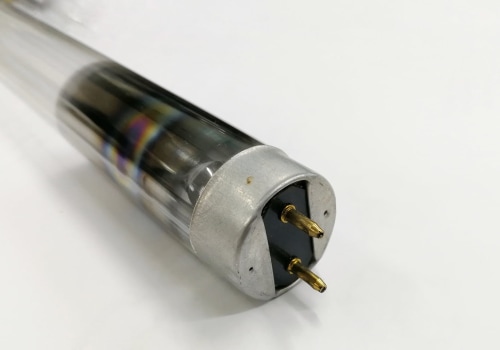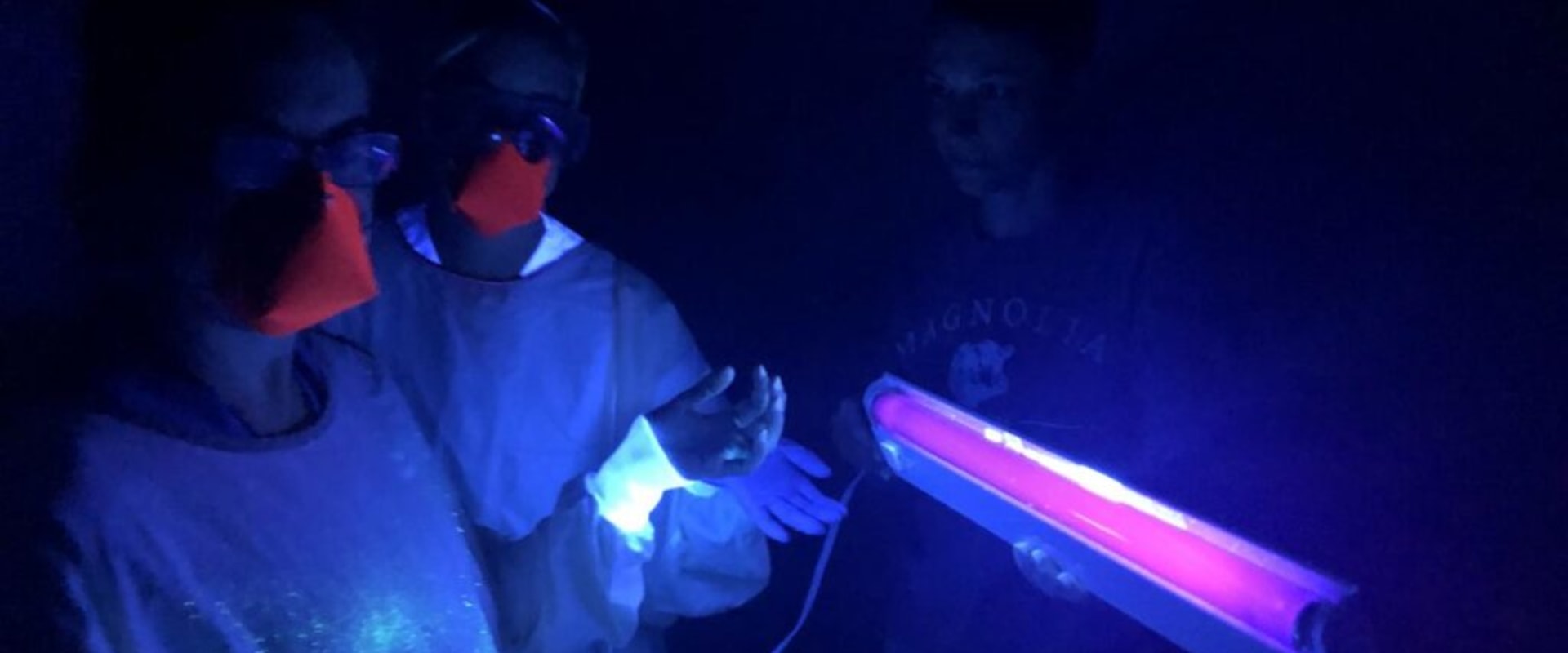
Ultraviolet (UV) light, a segment of the electromagnetic spectrum, plays a pivotal role in various industrial applications, ranging from sterilization processes to curing inks and coatings. Its unique properties allow it to be harnessed for effective disinfection, as UV light can eliminate bacteria, viruses, and other pathogens without the use of harmful chemicals. In the realm of manufacturing, UV light is essential for curing materials quickly and efficiently, making it a preferred choice in industries such as printing, automotive, and electronics. However, while the benefits of UV light are substantial, the potential risks associated with its exposure cannot be overlooked.As industries increasingly adopt UV light installation for its efficiency and effectiveness, the importance of personal protective equipment (PPE) becomes paramount.
Workers who are involved in UV light applications face significant health risks if proper safety measures are not implemented. Prolonged exposure to UV radiation can lead to serious health issues, including skin burns, eye damage, and an increased risk of skin cancer. Therefore, understanding the necessity of PPE is crucial for anyone working in environments where UV light is present.To mitigate these risks, it is essential to equip personnel with appropriate protective gear designed specifically for UV exposure. This includes UV-blocking goggles or face shields that provide comprehensive coverage against harmful rays.
Additionally, protective clothing that covers exposed skin can further reduce the risk of burns and other injuries. By prioritizing safety through the use of PPE during UV light installation, organizations not only protect their workforce but also enhance productivity by minimizing downtime caused by accidents or health issues.
Understanding UV Light: Types and Risks
Ultraviolet (UV) light is a form of electromagnetic radiation that is emitted by the sun and artificial sources such as tanning beds and certain types of lamps. Understanding the different types of UV light and their associated risks is essential for anyone working in environments where UV exposure is a possibility.UV light is categorized into three main types based on wavelength:- UVA (320-400 nm): This type of UV radiation has the longest wavelength and accounts for approximately 95% of the UV radiation that reaches the Earth's surface. UVA rays penetrate the skin more deeply than other types and are primarily responsible for skin aging and wrinkling.
They can also contribute to the development of skin cancer over time.
- UVB (280-320 nm): UVB rays have a shorter wavelength and are responsible for causing sunburn. They play a significant role in the development of skin cancer, particularly melanoma. Unlike UVA, UVB rays do not penetrate as deeply into the skin but can cause direct DNA damage to skin cells.
- UVC (100-280 nm): UVC rays are the most harmful type of UV radiation, but they are mostly absorbed by the Earth's ozone layer and do not reach the surface. However, artificial sources such as mercury vapor lamps and germicidal lamps emit UVC radiation, which can pose serious health risks to individuals exposed to it without proper protection.
- Skin Damage: Prolonged exposure to UVA and UVB rays can lead to various forms of skin damage, including sunburn, premature aging, and an increased risk of skin cancers such as basal cell carcinoma, squamous cell carcinoma, and melanoma.
- Eye Damage: UV radiation can also harm the eyes, leading to conditions such as photokeratitis (a painful inflammation of the cornea), cataracts, and macular degeneration.
Protective eyewear is crucial in preventing these conditions.
- Immune System Suppression: Excessive UV exposure can suppress the immune system, reducing the body’s ability to fight off certain diseases and infections.
The Importance of Personal Protective Equipment (PPE)
When it comes to working with UV light, the significance of Personal Protective Equipment (PPE) cannot be overstated. Exposure to ultraviolet radiation can lead to serious health risks, including skin damage, eye injuries, and long-term effects such as skin cancer. Therefore, utilizing appropriate PPE is essential for anyone involved in UV light installation or related activities.Types of PPE for UV Exposure
- Eye Protection: The eyes are particularly vulnerable to UV radiation.
Standard eyewear does not provide adequate protection against UV rays. It is crucial to wear UV-blocking safety glasses or goggles that meet ANSI Z87.1 standards. These specialized lenses can filter out harmful wavelengths and prevent conditions such as photokeratitis and cataracts.
- Face Shields: In addition to safety glasses, a polycarbonate face shield is recommended for comprehensive facial protection. This shield should also have UV certification to ensure it effectively blocks harmful rays. In addition to safety glasses, a polycarbonate face shield is recommended for comprehensive facial protection. This shield should also have UV certification to ensure it effectively blocks harmful rays. is recommended for comprehensive facial protection. This shield should also have UV certification to ensure it effectively blocks harmful rays. In addition to safety glasses, a polycarbonate face shield is recommended for comprehensive facial protection. This shield should also have UV certification to ensure it effectively blocks harmful rays.
- Skin Protection: The skin is another area of concern when working with UV light.
Long-sleeved clothing made from tightly woven fabrics can help shield the skin from exposure. Additionally, applying a broad-spectrum sunscreen with a high SPF on exposed areas is advisable.
- Protective Gloves: Depending on the specific tasks being performed, wearing gloves that offer UV protection can further reduce the risk of skin damage. Look for gloves made from materials designed to block UV radiation.
The Role of PPE in Preventing Health Risks
The primary role of PPE is to create a barrier between the worker and potential hazards. In the case of UV exposure, this barrier is vital for preventing acute injuries like burns and long-term health issues such as skin cancer or eye disorders.
Regular training on the proper use and maintenance of PPE is also essential to ensure that workers understand how to effectively protect themselves.Moreover, it’s important to regularly inspect PPE for any signs of wear or damage. Compromised equipment may not provide adequate protection, increasing the risk of exposure. By prioritizing the use of high-quality PPE and adhering to safety protocols, individuals can significantly mitigate the dangers associated with UV light exposure.In conclusion, investing in appropriate PPE is not just a regulatory requirement; it is a critical component of workplace safety when dealing with UV light installations. By understanding the importance of each type of protective gear and its role in safeguarding against UV exposure, workers can maintain their health while performing their duties effectively.
Types of PPE for UV Light Exposure
When it comes to safeguarding against the harmful effects of UV light exposure, selecting the appropriate personal protective equipment (PPE) is essential.The right PPE not only minimizes the risk of injury but also enhances overall safety in environments where UV light is prevalent. Below, we explore the various types of PPE that are crucial for protecting against UV rays.
Eye Protection
The eyes are particularly vulnerable to UV radiation, which can lead to serious conditions such as photokeratitis and cataracts. Therefore, using specialized eye protection is paramount. Here are some effective options:- UV Safety Goggles: These goggles are designed with materials that block harmful UV rays.
They should fit snugly around the eyes to prevent any exposure from the sides.
- Face Shields: A polycarbonate face shield that meets ANSI Z87.1-1989 standards provides comprehensive coverage for the face and neck, protecting against both direct and reflected UV rays.
- Wraparound Sunglasses: For outdoor applications, sunglasses with a wraparound design can offer additional protection by covering more of the eye area. Ensure they have a UV400 rating to block 100% of UVA and UVB rays.
Skin Protection
The skin is another critical area that requires protection from UV exposure. Prolonged contact can lead to sunburn, premature aging, and even skin cancer. Here are some effective methods for skin protection:- Protective Clothing: Wearing long-sleeved shirts, long pants, and gloves made from tightly woven fabric can significantly reduce skin exposure to UV rays.
Look for clothing labeled with an Ultraviolet Protection Factor (UPF) rating for added assurance.
- UV-Blocking Creams: Broad-spectrum sunscreens with a high SPF should be applied generously to all exposed skin areas. Reapplication every two hours or after sweating or swimming is crucial for maintaining protection.
- Hats: Wide-brimmed hats can provide additional shade and protect the face, neck, and ears from direct sunlight.
Respiratory Protection
While not as commonly discussed, respiratory protection may also be necessary in certain environments where UV light is used in conjunction with chemicals that emit harmful vapors or particles. In such cases:- Respirators: Depending on the specific hazards present, a respirator equipped with appropriate filters can help protect against inhalation of toxic substances that may be released during UV light applications.
Best Practices for Using PPE During UV Light Installation
When it comes to UV light installation, adhering to best practices for personal protective equipment (PPE) is essential for ensuring the safety of all personnel involved.Proper use and maintenance of PPE not only protect individuals from harmful UV exposure but also enhance the overall effectiveness of the installation process. Below are key guidelines to follow:
- Conduct a Risk Assessment: Before beginning any installation, perform a thorough risk assessment to identify potential UV exposure risks. This assessment should include evaluating the intensity and duration of UV light exposure, as well as the specific tasks being performed.
- Select Appropriate PPE: Choose PPE that is specifically designed for UV protection. This includes UV-blocking safety glasses or goggles, face shields, and protective clothing.
Ensure that all equipment meets relevant safety standards, such as ANSI Z87.1-1989 for eye protection.
- Regularly Inspect PPE: Before each use, inspect all PPE for any signs of damage or wear. Cracks in lenses or tears in protective clothing can significantly reduce their effectiveness. Replace any damaged equipment immediately to maintain optimal protection.
- Ensure Proper Fit: PPE must fit properly to provide adequate protection. Ill-fitting goggles or face shields can allow UV rays to penetrate and cause harm.
Conduct fit tests where necessary to ensure that all personnel are using equipment that fits securely.
- Implement Training Programs: Provide comprehensive training for all employees on the correct use and maintenance of PPE. This training should cover how to wear, clean, and store protective equipment properly, as well as the importance of using PPE consistently during UV light installation.
- Establish a Maintenance Schedule: Regular maintenance of PPE is crucial for ensuring its longevity and effectiveness. Create a schedule for cleaning and inspecting equipment, and ensure that all personnel are aware of these protocols.
- Encourage Reporting of Issues: Foster an environment where employees feel comfortable reporting any issues with their PPE or concerns about UV exposure. Promptly address any reported problems to maintain a safe working environment.
Remember, the effectiveness of PPE is only as good as its proper use and maintenance.
Common Misconceptions About UV Light and PPE
When it comes to UV light exposure and the use of personal protective equipment (PPE), several misconceptions can lead to inadequate safety practices. Addressing these myths is essential for ensuring that individuals are properly protected while working in environments where UV light is present.Myth 1: All sunglasses provide adequate UV protection.
Many people believe that wearing regular sunglasses is sufficient to shield their eyes from harmful UV rays. However, not all sunglasses are created equal. While some may block a percentage of UV radiation, they might not offer complete protection.
It is crucial to choose sunglasses that specifically state they provide 100% UV protection, ideally with a label indicating they block both UVA and UVB rays.
Myth 2: PPE is only necessary for outdoor work.
Another common misconception is that PPE is only required when working outdoors. In reality, UV light can be emitted from various sources indoors, such as UV curing lamps, germicidal lamps, and certain types of fluorescent lights. Therefore, individuals working in laboratories or manufacturing facilities must also utilize appropriate PPE to mitigate risks associated with indoor UV exposure.
Myth 3: Wearing PPE is uncomfortable and unnecessary.
Some individuals may feel that the discomfort associated with wearing PPE outweighs the potential risks of UV exposure. This belief can lead to non-compliance with safety protocols.
However, advancements in PPE design have made it more comfortable and user-friendly. For instance, lightweight materials and ergonomic designs can enhance comfort without compromising safety. Understanding the importance of PPE in preventing serious health issues should motivate individuals to prioritize their safety over comfort.
Common Errors in UV Protection:
- Inconsistent Use: One of the most significant errors is the inconsistent use of PPE. Workers may wear protective gear only when they remember or when they think they might be exposed, which can lead to dangerous situations.
- Neglecting Skin Protection: While eye protection is often emphasized, skin exposure to UV light can also result in severe damage.
Many individuals forget to apply sunscreen or wear protective clothing when working with UV light.
- Assuming All PPE is Equal: Not all PPE offers the same level of protection against UV rays. It’s essential to select equipment that meets specific safety standards and is designed for the type of UV exposure expected in a given environment.
Regulatory Standards and Guidelines for UV Safety
When it comes to ensuring safety in environments where UV light exposure is a concern, understanding the regulatory standards and guidelines is paramount. These regulations not only help in protecting workers but also ensure compliance with legal requirements. Various organizations and agencies have established guidelines that govern the use of personal protective equipment (PPE) in settings where UV light is prevalent.One of the primary authorities on workplace safety in the United States is the Occupational Safety and Health Administration (OSHA).OSHA has set forth regulations that address the hazards associated with UV radiation. According to OSHA, employers are required to provide a safe working environment, which includes assessing potential UV exposure risks and implementing appropriate safety measures. This includes providing adequate PPE such as UV-blocking goggles, face shields, and protective clothing.In addition to OSHA, the American National Standards Institute (ANSI) plays a crucial role in establishing standards for eye and face protection. ANSI Z87.1 is a key standard that outlines the requirements for protective eyewear used in environments with potential UV exposure.
Compliance with this standard ensures that the eyewear provides adequate protection against harmful UV rays.Furthermore, industry-specific guidelines may also exist, depending on the nature of the work being performed. For instance, industries such as healthcare, manufacturing, and research laboratories often have tailored safety protocols that address UV exposure risks. It is essential for employers and employees alike to familiarize themselves with these specific guidelines to ensure comprehensive safety measures are in place.To summarize, adherence to regulatory standards such as those set by OSHA and ANSI is vital for maintaining a safe working environment when dealing with UV light. Employers must not only provide appropriate PPE but also ensure that all personnel are trained on the risks associated with UV exposure and the proper use of protective equipment.
By prioritizing compliance with these regulations, organizations can significantly reduce the risk of UV-related injuries and promote a culture of safety.
Case Studies: The Impact of Proper PPE in Real-World Scenarios
Understanding the real-world implications of using proper personal protective equipment (PPE) during UV light installation is crucial for reinforcing safety protocols. Here, we explore several case studies that highlight the effectiveness of PPE in protecting workers from harmful UV exposure.Case Study 1: Industrial UV Curing Facility
In a large industrial facility specializing in UV curing processes, a team of workers was tasked with installing new UV light systems. Prior to the installation, management conducted a thorough risk assessment and mandated the use of high-quality PPE, including UV-blocking goggles, face shields, and protective clothing. During the installation, one worker accidentally exposed their arm to direct UV light for a brief moment.
However, due to the protective clothing and gloves worn, they experienced no adverse effects. This incident underscored the importance of PPE in preventing injuries and demonstrated how effective safety measures can mitigate risks.
Case Study 2: Laboratory Research Environment
A research laboratory focused on photochemistry implemented strict PPE guidelines for all personnel working with UV light sources. Researchers were required to wear UV-filtering safety glasses and lab coats designed to block UV radiation. In one instance, a researcher inadvertently left a UV lamp on while adjusting equipment without proper eye protection.
Fortunately, the lab's stringent PPE policies ensured that all other team members were adequately protected, resulting in no injuries or long-term effects. This case illustrates how comprehensive PPE protocols can safeguard not only individuals but also the entire team.
Case Study 3: Construction Site with UV Exposure
On a construction site where UV light was used for curing concrete, workers were provided with specialized PPE that included wide-brimmed hats and long-sleeved shirts treated with UV-blocking agents. One worker reported feeling discomfort from prolonged exposure while working near the curing area. However, due to their protective gear, they did not suffer any burns or skin damage.
This scenario highlights how appropriate clothing can serve as an effective barrier against harmful UV rays in outdoor environments.These case studies collectively emphasize that proper PPE is not merely an accessory but a vital component of workplace safety when dealing with UV light installation. By investing in high-quality protective gear and adhering to safety protocols, organizations can significantly reduce the risk of UV-related injuries and promote a culture of safety among employees.
Conclusion: Prioritizing Safety in UV Light Installation
In conclusion, the significance of PPE in the context of UV light installation cannot be overstated. As we have explored throughout this article, the risks associated with ultraviolet exposure are substantial and can lead to serious health issues if proper precautions are not taken. The implementation of effective personal protective equipment is essential for safeguarding individuals who work in environments where UV light is present.To summarize, the following key points highlight the critical role of PPE:- Eye Protection: The eyes are particularly vulnerable to UV radiation.
Utilizing UV-certified safety glasses or goggles is imperative to prevent potential damage. Regular prescription glasses do not offer adequate protection, making specialized eyewear a necessity.
- Facial Shields: For those involved in UV light installation, a polycarbonate face shield that meets ANSI Z87.1-1989 standards is crucial. This equipment provides an additional layer of defense against harmful rays that can cause burns and other injuries.
- Skin Protection: Skin exposure to UV light can lead to severe consequences, including skin cancer. Wearing protective clothing that covers exposed skin is vital.
Long sleeves, gloves, and UV-blocking fabrics should be part of the standard attire for anyone working with UV light.
- Training and Awareness: It is not enough to simply provide PPE; comprehensive training on its proper use and the risks associated with UV exposure is essential. Workers must be educated about the importance of wearing protective gear consistently and correctly.
- Regular Maintenance: Ensuring that all PPE is well-maintained and free from damage is crucial for its effectiveness. Regular inspections should be conducted to identify any wear and tear that could compromise safety.