In recent years, the conversation around HVAC UV lightsHVAC UV lights has gained significant traction, particularly as homeowners become increasingly aware of the importance of indoor air quality. These specialized lights are designed to enhance the performance of your heating, ventilation, and air conditioning systems by targeting harmful microorganisms that can thrive within your HVAC units. Understanding how these lights function and their role in maintaining a healthy indoor environment is crucial for anyone considering UV light installation.At their core, HVAC UV lights utilize UVC radiation, which is effective in neutralizing bacteria, mold spores, and viruses that can circulate through your home’s air. When installed correctly, these lights can significantly reduce the presence of allergens and pathogens, contributing to a cleaner and safer living space.
However, misconceptions abound regarding their capabilities and limitations. Many people mistakenly believe that UV lights can serve as a standalone solution for all air quality issues, while others fear that they might damage their HVAC systems.This section aims to clarify these misunderstandings by delving into the science behind HVAC UV lights and their practical applications. We will explore how they work in conjunction with other air quality measures, such as proper ventilation and regular maintenance. By separating fact from fiction, we hope to provide you with a comprehensive understanding of how UV lights can be a valuable addition to your HVAC system, enhancing not only its efficiency but also the overall health of your indoor environment.
How Do UV Lights Work in HVAC Systems?
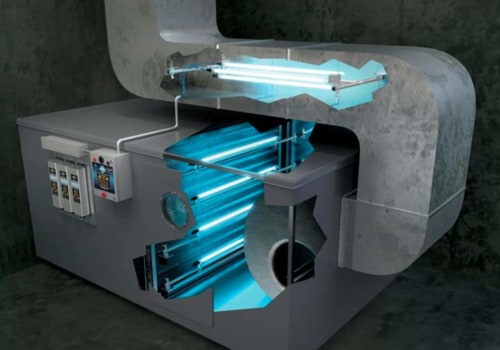
Understanding how UV lights function within HVAC systems is crucial for grasping their role in enhancing indoor air quality.At the heart of this technology are UVC rays , a specific type of ultraviolet light that is particularly effective at neutralizing harmful microorganisms.UVC rays operate at wavelengths between 200 to 280 nanometers, which is optimal for disrupting the DNA and RNA of bacteria, viruses, and mold spores. When these microorganisms are exposed to UVC light, their cellular structure is damaged, rendering them incapable of reproduction and effectively killing them. This process is known as photodimerization , where the UVC light causes the formation of bonds between adjacent thymine bases in the DNA, leading to mutations that prevent the organism from functioning normally.In HVAC systems, UV lights are strategically installed in areas where they can maximize their effectiveness. Typically, they are placed in the air handler or ductwork, where they can shine directly on the coils and other surfaces that may harbor mold and bacteria.
This placement ensures that as air circulates through the system, it passes by the UV light, allowing for continuous disinfection.Moreover, UV lights are designed to operate only when the HVAC system's fan is running. This is essential because stagnant air can shield microorganisms from exposure to UV rays. By ensuring that the UV light is active during airflow, it increases the likelihood of killing pathogens before they enter your living space.Another significant aspect of UV light technology in HVAC systems is its ability to reduce volatile organic compounds (VOCs). These compounds can contribute to poor indoor air quality and unpleasant odors.
The UVC rays help break down these harmful substances, further enhancing the air quality within your home.While UV lights are not a standalone solution for all indoor air quality issues, they serve as a valuable addition to a comprehensive approach that includes regular maintenance and high-quality air filters. By understanding how UV lights work and their role in HVAC systems, homeowners can make informed decisions about improving their indoor environments.
The Importance of Indoor Air Quality
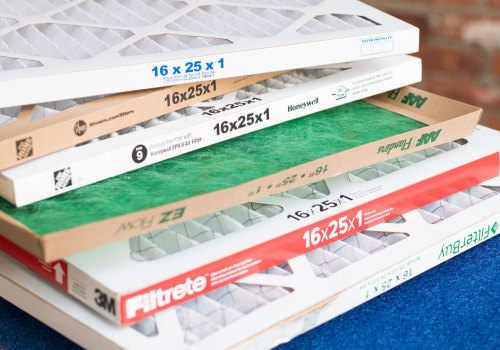
Maintaining good indoor air quality (IAQ) is essential for the health and well-being of everyone in your home. Poor air quality can lead to a range of health issues, including respiratory problems, allergies, and even long-term conditions such as asthma. Understanding the importance of IAQ and implementing effective strategies to improve it can significantly enhance your living environment.One of the primary factors affecting indoor air quality is ventilation.Proper ventilation helps to circulate fresh air throughout your home, reducing the concentration of indoor pollutants. This can be achieved through natural ventilation, such as opening windows and doors, or mechanical ventilation systems that actively bring in outdoor air. It’s crucial to ensure that your home is adequately ventilated, especially in areas prone to moisture, like kitchens and bathrooms, where mold and mildew can thrive.Another vital aspect of improving indoor air quality is the use of high-quality air filters. Air filters trap dust, pollen, pet dander, and other airborne particles that can compromise your health.
Regularly replacing or cleaning these filters is essential to maintain their effectiveness. Consider investing in HEPA (High-Efficiency Particulate Air) filters, which are designed to capture even the smallest particles, providing a higher level of filtration.In addition to ventilation and filtration, it’s important to minimize the sources of indoor pollution. This includes:
- Avoiding tobacco smoke: Smoking indoors significantly deteriorates air quality.
- Using non-toxic cleaning products: Many conventional cleaning agents release harmful chemicals into the air.
- Controlling humidity levels: Keeping humidity between 30-50% can help prevent mold growth.
- Regular maintenance: Ensure that your HVAC system is well-maintained to prevent dust and allergens from circulating.
By focusing on effective ventilation, utilizing high-quality air filters, minimizing pollution sources, and considering advanced technologies like UV lights, you can create a healthier living space for you and your family.
Proper Installation of UV Lights
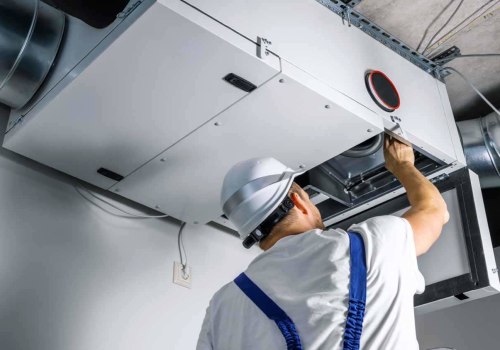
When it comes to UV light installation in HVAC systems, the process is not as straightforward as it may seem. Proper installation is crucial for ensuring that the UV lights function effectively and provide the intended benefits for indoor air quality. Here are some best practices to consider:- Engage a Professional HVAC Technician: The first step in ensuring a successful UV light installation is to hire a qualified HVAC technician. These professionals have the training and experience necessary to understand the complexities of your specific system.
They can assess your HVAC setup and determine the optimal placement for the UV lights.
- Choose the Right Type of UV Light: Not all UV lights are created equal. There are various types designed for different applications within HVAC systems. A professional can help you select the right model that meets your needs, whether it’s for killing mold, bacteria, or reducing odors.
- Optimal Placement: The effectiveness of UV lights largely depends on their placement within the system. Ideally, they should be installed in areas where they can maximize exposure to air passing through the system.
Common locations include the air handler or near the evaporator coil. This positioning allows the UV light to target microorganisms effectively before they circulate throughout your home.
- Ensure Proper Power Supply: Most UV lights require a power source that is activated when the HVAC system is running. This ensures that the lights are operational when air is flowing through the system, maximizing their effectiveness in killing pathogens. A professional technician will ensure that the electrical connections are safe and compliant with local codes.
- Regular Maintenance Checks: After installation, it’s essential to schedule regular maintenance checks to ensure that the UV lights are functioning correctly.
Over time, bulbs can lose their effectiveness and may need replacement. A technician can help you set up a maintenance schedule to keep your system running optimally.
Maintenance and Lifespan of UV Lights
To ensure that your HVAC UV lights function effectively and provide the intended benefits, regular maintenance is essential. Understanding the lifespan of UV lights and knowing when to replace the bulbs can significantly impact their performance and your indoor air quality.Lifespan of UV Lights
Typically, UV bulbs have a lifespan ranging from 9,000 to 14,000 hours, depending on the manufacturer and model.
This translates to about one year of continuous use. However, it’s important to note that even if the bulb is still operational, its effectiveness in emitting UVC rays diminishes over time. Therefore, it’s crucial to adhere to a replacement schedule rather than relying solely on the bulb's operational status.
Replacing UV Bulbs
Most HVAC professionals recommend replacing UV bulbs annually. To keep track of when to replace them, consider adding a reminder to your calendar or including it in your annual HVAC maintenance checklist.
When replacing the bulbs, always follow the manufacturer’s guidelines for installation to ensure optimal performance.
Maintenance Tips for UV Lights
- Regular Inspections: Schedule routine inspections of your HVAC system, including the UV lights. A professional technician can assess whether the lights are functioning correctly and if any maintenance is needed.
- Clean the Fixtures: Dust and debris can accumulate on the UV light fixtures, reducing their effectiveness. Regularly clean these areas to ensure maximum exposure of UV light to the air passing through your HVAC system.
- Monitor Airflow: Ensure that your HVAC system is operating efficiently. Poor airflow can hinder the effectiveness of UV lights in killing microorganisms.
Check filters regularly and replace them as needed.
- Check Electrical Connections: Ensure that all electrical connections are secure and functioning properly. Faulty connections can lead to inconsistent power supply to the UV lights.
Debunking Myths About HVAC UV Lights
When it comes to HVAC UV lights, there are numerous myths and misconceptions that can cloud the understanding of their true capabilities and limitations. Addressing these myths is essential for homeowners considering UV light installation as part of their indoor air quality strategy.Myth 1: UV Lights Are a Complete Solution for Indoor Air Quality
One of the most prevalent misconceptions is that installing UV lights will completely eliminate all indoor air quality issues.
While UV lights can significantly reduce the presence of mold, bacteria, and other microorganisms, they should not be viewed as a standalone solution. Effective indoor air quality management requires a comprehensive approach that includes proper ventilation, regular maintenance of HVAC systems, and the use of high-quality air filters.
Myth 2: UV Lights Can Damage Your HVAC System
Another common myth is that UV lights can cause harm to your HVAC system. In reality, when installed correctly by a professional, UV lights do not damage the system. Instead, they work in conjunction with your HVAC components to enhance air quality by targeting harmful pathogens without affecting the mechanical parts of the system.
Myth 3: All UV Lights Are the Same
Not all UV lights are created equal.
There are different types of UV lamps designed for various applications. For HVAC systems, UVC lamps are specifically engineered to kill germs effectively. Homeowners should ensure they are using the right type of UV light for their specific needs and consult with professionals for guidance on suitable products.
Myth 4: You Don’t Need to Replace UV Lights Regularly
Some believe that once installed, UV lights will function indefinitely without maintenance. This is far from the truth.
Like any other component in your HVAC system, UV lights have a limited lifespan and require periodic replacement to maintain their effectiveness. Regular checks and replacements should be part of your HVAC maintenance routine.
Myth 5: UV Lights Are Dangerous to Humans
Concerns about safety often arise when discussing UV light technology. While it’s true that direct exposure to UVC rays can be harmful to skin and eyes, properly installed HVAC UV lights are placed in areas where human exposure is minimized. When used correctly, they pose no risk to occupants in the home.By debunking these myths, homeowners can make informed decisions about UV light installation in their HVAC systems.
Understanding the facts versus fiction surrounding these technologies is crucial for enhancing indoor air quality effectively and safely.
The Effectiveness of UV Light in Killing Microorganisms
Understanding the effectiveness of UV light in killing microorganisms is crucial for homeowners considering its installation in their HVAC systems. Numerous scientific studies have been conducted to evaluate how well UV light can eliminate harmful bacteria and mold, which are common culprits of indoor air quality issues.One notable study was performed in a hospital setting, where researchers aimed to assess the impact of UV light on airborne pathogens. The results were promising; the study demonstrated that UV-C light significantly reduced the concentration of bacteria in the air. This reduction was attributed to the ability of UV light to disrupt the DNA of microorganisms, rendering them unable to reproduce and effectively killing them.Another significant study focused on commercial HVAC systems, where UV lights were installed in the ductwork.This research found that the presence of UV light not only decreased mold growth on cooling coils but also reduced the overall microbial load within the system. The findings indicated that UV light could be an effective tool in maintaining cleaner air and preventing the spread of mold spores and bacteria throughout a building.In addition to these studies, various laboratory tests have confirmed that UV light can effectively kill a wide range of microorganisms, including:
- Bacteria: Common strains such as E. coli and Staphylococcus aureus have shown high susceptibility to UV exposure.
- Mold: Species like Aspergillus niger, known for causing respiratory issues, have been effectively eliminated by UV light.
- Viruses: Certain viruses, including those responsible for common colds and flu, are also vulnerable to UV radiation.
By incorporating this technology, homeowners can enhance their indoor air quality and create a healthier living environment.
Comparing UV Lights to Other Air Quality Solutions
When considering ways to enhance indoor air quality, many homeowners find themselves weighing the benefits of UV light installation against other popular solutions such as HEPA filters and air purifiers. Each of these options has its own set of advantages and limitations, making it essential to understand how they compare.UV Lights vs. Air Purifiers
Air purifiers are designed to filter out a wide range of airborne particles, including dust, pollen, pet dander, and even some bacteria and viruses. They typically use a combination of mechanical filters and sometimes additional technologies like activated carbon or ionization.In contrast, UV lights specifically target microorganisms by emitting UVC rays that can deactivate their DNA, effectively killing or neutralizing them.While air purifiers can capture larger particles and some pathogens, they may not be as effective against all types of bacteria and viruses as UV lights. However, air purifiers do not require installation within an HVAC system and can be easily moved from room to room, providing flexibility for users.
HEPA Filters: A Strong Contender
High-Efficiency Particulate Air (HEPA) filters are another common solution for improving indoor air quality. These filters are capable of trapping 99.97% of particles that are 0.3 microns in size or larger, including allergens and some pathogens. When used in conjunction with an HVAC system, HEPA filters can significantly reduce the number of airborne contaminants.However, while HEPA filters excel at capturing particles, they do not kill microorganisms like UV lights do.This means that while a HEPA filter can prevent the spread of allergens and some bacteria, it does not actively eliminate them from the air. Therefore, combining HEPA filtration with UV light installation can provide a more comprehensive approach to indoor air quality.
Limitations and Considerations
One limitation of UV lights is that their effectiveness is highly dependent on proper installation and maintenance. If the UV light is not positioned correctly within the HVAC system or if it is not regularly replaced, its ability to kill microorganisms diminishes significantly. On the other hand, air purifiers and HEPA filters require regular replacement but are generally easier to maintain.Ultimately, the choice between UV lights, air purifiers, and HEPA filters will depend on individual needs and circumstances.For those looking for a multi-faceted approach to indoor air quality improvement, integrating UV lights with other solutions may offer the best results.
Conclusion: The Role of UV Lights in Your HVAC System
In summary, the integration of UV light installation in your HVAC system can significantly enhance indoor air quality, but it is essential to approach this technology with a clear understanding of its capabilities and limitations. Throughout this article, we have explored the science behind UV lights, their effectiveness in combating harmful microorganisms, and the best practices for installation and maintenance.One of the most critical takeaways is that while UV lights can effectively reduce the presence of mold, bacteria, and other pathogens within your HVAC system, they should not be viewed as a standalone solution. Proper ventilation, regular maintenance, and high-quality air filters are foundational elements that must be prioritized to create a healthy indoor environment.Moreover, the placement of UV lights is crucial for maximizing their effectiveness. Installing them in the right location ensures that they can adequately target contaminants before they circulate throughout your home.This strategic positioning allows UV lights to work in conjunction with your HVAC system's airflow, enhancing their germicidal properties.It is also vital to remember that UV light installation should be performed by qualified professionals who understand the nuances of HVAC systems. Incorrect installation can lead to suboptimal performance and may even pose safety risks. Regular maintenance checks are equally important; replacing UV bulbs as recommended will ensure that they continue to operate at peak efficiency.Ultimately, understanding the role of UV lights in your HVAC system empowers you to make informed decisions about your indoor air quality. By combining UV technology with other air quality measures, you can create a healthier living space for you and your family.
As you consider implementing UV lights in your HVAC system, keep these insights in mind to maximize their benefits while maintaining a comprehensive approach to indoor air quality management.