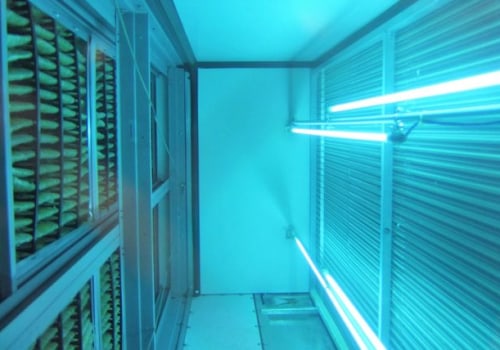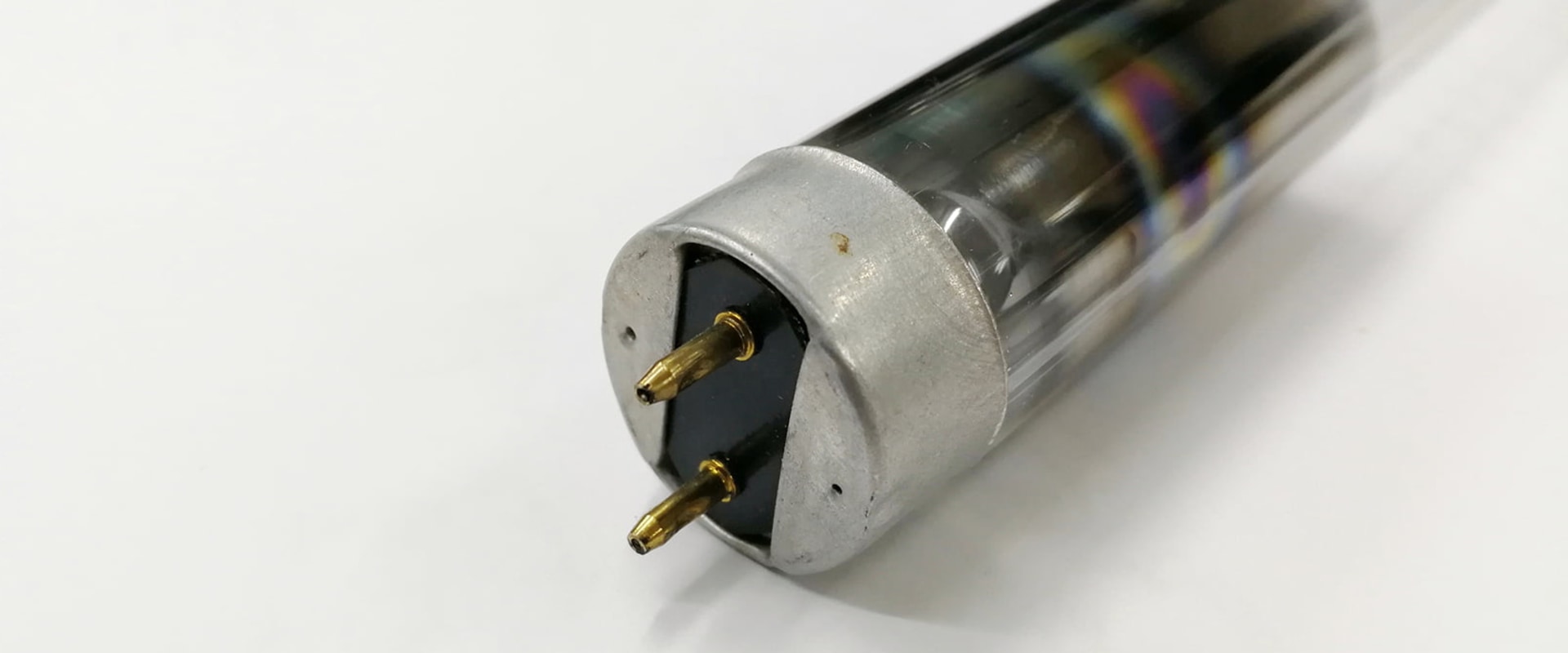
In recent years, the integration of UV light technology into residential and commercial HVAC systems has gained significant attention. This innovative approach harnesses the power of ultraviolet light to purify the air we breathe, effectively targeting harmful microorganisms such as bacteria, viruses, and mold spores. By understanding how UV lights work and their benefits, homeowners can make informed decisions about enhancing their indoor air quality.At its core, UV light technology operates on a simple yet powerful principle: ultraviolet light disrupts the DNA and RNA of microorganisms, rendering them inactive and unable to reproduce. This process occurs when air passes through the UV light chamber within the HVAC system, exposing contaminants to intense UV radiation.
The result is a dramatic reduction in airborne pathogens, leading to a healthier living environment. Not only does this technology improve air quality, but it also contributes to the longevity of your HVAC system by preventing the buildup of mold and other debris within the ducts.The benefits of incorporating UV lights into your home extend beyond mere air purification. For instance, these systems can significantly reduce unpleasant odors caused by mold or mildew, creating a fresher atmosphere. Additionally, by minimizing the presence of allergens and irritants in the air, UV lights can provide relief for individuals suffering from respiratory issues or allergies.
As awareness of indoor air quality continues to grow, understanding the role of UV light technology becomes increasingly essential for maintaining a safe and comfortable home.
Why Regular Replacement of UV Lights is Crucial
Regularly changing your UV lights is not just a matter of maintenance; it is essential for ensuring the effectiveness of your air purification system. Understanding the lifespan of UV bulbs and the impact of aging on their performance can help homeowners appreciate the importance of timely replacements.UV Light Lifespan
Typically, UV bulbs have a lifespan ranging from 9 to 12 months, depending on the manufacturer and usage conditions. Over time, these bulbs experience a decline in their ability to emit effective UV radiation due to factors such as:
- Incrustation: Dust and debris can accumulate on the bulb's surface, obstructing the UV light's path and diminishing its effectiveness.
- Solarization: This phenomenon occurs when the quartz material of the bulb becomes discolored, leading to a significant reduction in UV intensity. Studies indicate that after just one year of operation, UV output can decrease by as much as 40-60%.
Effects of Aging on Performance
As UV lights age, their ability to neutralize harmful pathogens diminishes.
This decline can lead to several issues:
- Increased Airborne Contaminants: An aging UV bulb may fail to eliminate viruses, bacteria, and mold spores effectively, allowing these contaminants to circulate in your home.
- Poor Indoor Air Quality: With reduced effectiveness, you may notice an increase in unpleasant odors and allergens, which can exacerbate respiratory issues for sensitive individuals.
- Mold and Mildew Growth: Ineffective UV lights can contribute to higher humidity levels in your HVAC system, creating an environment conducive to mold and mildew proliferation.
Consequences of Neglecting Replacements
Failing to replace old UV lights not only compromises air quality but can also lead to more significant problems down the line. Homeowners may face:
- Higher Energy Costs: Inefficient air purification systems may require more energy to operate, leading to increased utility bills.
- System Damage: Prolonged use of ineffective bulbs can strain your HVAC system, potentially resulting in costly repairs or replacements.
Signs That Your UV Light Needs Replacement
Understanding when to replace your UV light is crucial for maintaining optimal air quality in your home. Here are some key indicators that suggest it may be time for a replacement:- Decreased Blue Light Emission: One of the most noticeable signs that your UV light needs replacement is a reduction in the intensity of the blue light it emits.
If you observe that the blue glow is dimmer than usual, this could indicate that the bulb is nearing the end of its lifespan.
- Discoloration of the Bulb: Over time, UV bulbs can become discolored due to solorization, which affects their performance. If you notice any yellowing or darkening of the bulb's surface, it’s a clear sign that it should be replaced.
- Increased Allergies or Respiratory Issues: If you or your family members start experiencing more frequent allergies or respiratory problems, it may be due to ineffective UV light purification. A failing bulb may not be eliminating airborne pathogens as effectively as it should.
- Unpleasant Odors: A properly functioning UV light helps eliminate odors caused by mold and bacteria. If you begin to notice musty or unpleasant smells in your home, it could indicate that your UV light is no longer performing optimally.
- System Maintenance Alerts: Some modern HVAC systems come equipped with sensors or indicators that alert you when it's time to change the UV bulb.
Pay attention to these alerts as they can help you stay on top of maintenance.
- Turn Off the System: Before inspecting the UV light, ensure that your HVAC system is turned off to avoid any electrical hazards.
- Access the Bulb: Locate the UV light within your air duct system. This may require removing a cover or panel depending on your system's design.
- Inspect Visually: Look for any signs of discoloration or damage on the bulb. If it appears cloudy or has dark spots, it's time for a replacement.
- Check for Light Emission: Turn the system back on briefly and observe if the blue light is bright and consistent. If not, consider replacing the bulb.
The Impact of Regularly Changing Your UV Light on Air Quality
Regularly changing your UV light is crucial for maintaining optimal air quality in your home.As UV lights age, their effectiveness diminishes, which can lead to a decline in the overall air purification process. When UV bulbs are replaced on schedule, they operate at peak performance, ensuring that harmful pathogens such as bacteria, viruses, and mold spores are effectively neutralized.One of the primary benefits of installing new UV lights is their enhanced ability to purify the air. Newer bulbs emit a stronger intensity of UV rays, which is essential for breaking down the DNA of microorganisms. This process not only kills these harmful agents but also prevents them from reproducing, significantly reducing their presence in your indoor environment.Moreover, the installation of fresh UV lights contributes to a healthier living space by:
- Reducing Allergens: Regularly replaced UV lights help eliminate allergens such as dust mites and pollen that can accumulate in your HVAC system.
This is particularly beneficial for individuals with allergies or respiratory issues.
- Minimizing Odors: Stale or musty odors often arise from mold and bacteria growth within air ducts. New UV lights can effectively combat these odors by eradicating the sources.
- Improving Overall Air Quality: With a more efficient UV light system, you can expect cleaner air circulating throughout your home. This leads to a more comfortable living environment and can enhance overall well-being.
By prioritizing the replacement of UV bulbs, you are investing in better air quality and overall health for you and your family.
Cost-Effectiveness of Regular Maintenance and Replacement
When considering the cost of UV light replacement, it’s essential to look beyond the initial expense of purchasing new bulbs. Regular maintenance and timely replacement of UV lights can lead to significant long-term savings and health benefits for your home. While the upfront cost may seem daunting, the implications of neglecting this aspect of your HVAC system can be far more costly in the long run.One of the primary reasons to invest in regular maintenance is the potential for energy savings. A well-functioning UV light system operates efficiently, ensuring that your HVAC system does not have to work overtime to maintain air quality.When UV bulbs are allowed to degrade, their effectiveness diminishes, leading to increased energy consumption as your system compensates for the reduced air purification capabilities. This can result in higher utility bills over time.Moreover, failing to replace UV lights regularly can lead to a buildup of mold and bacteria within your air ducts. This not only compromises indoor air quality but can also lead to health issues for you and your family. The costs associated with treating respiratory problems or other health complications arising from poor air quality can far exceed the price of routine maintenance and bulb replacement.In addition to health benefits, there are also financial incentives tied to maintaining your UV light system.
Many HVAC service providers offer maintenance packages that include regular inspections and bulb replacements at a discounted rate. By enrolling in such programs, homeowners can save money while ensuring their systems operate at peak performance.Furthermore, some manufacturers provide warranties that cover parts and labor for a specified period. By adhering to recommended maintenance schedules, you may be eligible for these warranties, which can save you from unexpected repair costs down the line.In summary, while the cost of UV light replacement may seem like an added expense, it is a small price to pay compared to the potential savings on energy bills, healthcare costs, and unexpected repairs. Proactive care not only enhances the longevity of your HVAC system but also contributes significantly to a healthier living environment.
How to Properly Install and Maintain Your UV Light System
Installing and maintaining a UV light system is crucial for ensuring its effectiveness in purifying the air in your home.Whether you are considering a UV light installation for the first time or looking to replace an existing system, understanding the proper procedures can make a significant difference in performance and longevity.
Installation Tips for UV Light Systems
When it comes to installing UV lights , there are several key factors to consider:- Location: The UV light should be installed in a location where it can effectively treat the air as it circulates through your HVAC system. Common placements include near the air handler or in the ductwork.
- Compatibility: Ensure that the UV light system is compatible with your existing HVAC setup. Check the specifications provided by the manufacturer to avoid any issues.
- Follow Manufacturer Instructions: Always adhere to the installation guidelines provided by the manufacturer. This includes wiring, mounting, and positioning of the UV lamp.
- Safety Precautions: Turn off power to your HVAC system before beginning installation.
Use protective gear, such as gloves and goggles, to prevent injury from electrical components or UV exposure.
Maintaining Your UV Light System
Regular maintenance is essential for keeping your UV light system functioning optimally. Here are some maintenance tips:- Regular Inspections: Check your UV lamp every 9-12 months for signs of wear or discoloration. If you notice a decrease in blue light or any visible damage, it’s time for a replacement.
- Cleansing: Dust and debris can accumulate on the lamp and its housing, reducing effectiveness. Clean these areas gently with a soft cloth to maintain optimal performance.
- Professional Maintenance: Consider scheduling annual maintenance with a professional HVAC technician who can perform thorough checks and ensure that all components are functioning correctly.
Professional Installation vs.
DIYThe decision between hiring a professional for your UV light installation or attempting a DIY approach depends on several factors:
- Experience Level: If you have experience with HVAC systems and electrical work, you may feel comfortable installing the system yourself. However, if you are unsure, hiring a professional is advisable.
- Time and Convenience: Professional installers can complete the job quickly and efficiently, saving you time and potential frustration.
- Warranty Considerations: Some manufacturers require professional installation to maintain warranty coverage. Be sure to check these details before proceeding with DIY installation.
Frequently Asked Questions About UV Light Replacement
When it comes to UV light installation and maintenance, homeowners often have numerous questions.Understanding these aspects can help ensure that your UV system operates efficiently and effectively. Below are some frequently asked questions regarding UV light replacement.
How often should I replace my UV light?
Most manufacturers recommend replacing UV bulbs every 9 to 12 months to maintain optimal performance. However, some brands may suggest a replacement every three years. It's essential to follow the specific guidelines provided by your manufacturer, as the lifespan can vary based on usage and environmental factors.What signs indicate that my UV light needs replacement?
- Decreased Blue Light: If you notice a significant reduction in the blue glow emitted by the bulb, it may be time for a change.
- Discoloration: A discolored bulb, particularly one that appears yellowed or cloudy, indicates that the lamp's effectiveness has diminished.
- Increased Allergies or Illness: If you or your family members experience more frequent allergies or respiratory issues, it could be a sign that your UV system is not functioning properly.
Can I replace the UV bulb myself?
Yes, many homeowners can replace their UV bulbs without professional assistance.However, it is crucial to follow safety precautions and the manufacturer's instructions carefully. Always turn off the power to the system before attempting any maintenance work.
What should I do if my UV system is not working?
If you suspect that your UV system is malfunctioning, first check the bulb for signs of wear or damage. If the bulb appears fine, inspect the ballast or controller for any error indicators. If issues persist, it may be best to consult a professional technician who specializes in UV light installation.Are there any energy costs associated with running a UV light?
No, UV lights are designed to be energy-efficient.They consume minimal electricity compared to other household appliances. Keeping your UV system operational continuously is recommended for maintaining air quality without incurring significant energy costs.By addressing these common questions and concerns about UV light replacement, homeowners can make informed decisions regarding their air quality systems and ensure they are functioning at peak performance.
Conclusion: The Essential Role of Regularly Changing Your UV Light
In conclusion, the importance of regularly changing your UV light cannot be overstated. As we have explored throughout this article, UV lights play a crucial role in maintaining indoor air quality by effectively eliminating harmful pathogens, allergens, and odors. However, their effectiveness diminishes over time due to factors such as solorization and the accumulation of debris on the bulb's surface.To ensure that your UV light installation continues to provide optimal performance, it is essential to adhere to the recommended replacement schedule.Most manufacturers suggest changing the bulbs every 9-12 months, although some may recommend a longer interval based on specific usage conditions. Regular maintenance not only enhances the efficiency of your HVAC system but also contributes to a healthier living environment.Moreover, neglecting to replace your UV bulbs can lead to a significant reduction in UV intensity—by as much as 40-60% within just a year of operation. This decline can result in increased levels of airborne contaminants, which can adversely affect the health of your family and pets. Therefore, staying vigilant about the condition of your UV lights is not just a matter of convenience; it is a vital aspect of home health management.Additionally, many modern UV systems come equipped with indicators or ballasts that alert homeowners when it’s time for a replacement.
Taking advantage of these features can simplify the maintenance process and ensure that you are always protected from harmful microorganisms.In summary, regularly changing your UV light is an essential practice for anyone looking to improve their indoor air quality and overall health. By prioritizing this simple yet effective maintenance task, you can enjoy cleaner air, reduced allergens, and peace of mind knowing that your home environment is safe and healthy.