In recent years, the integration of UV light technology into residential HVAC systems has gained significant attention, and for good reason. This innovative approach harnesses the power of ultraviolet light to enhance indoor air quality and promote a healthier living environment. Understanding how UV lights function within your HVAC system is crucial for homeowners looking to improve their air quality and overall well-being.At its core, UV light technology operates on the principle that certain wavelengths of ultraviolet light can effectively neutralize harmful microorganisms such as bacteria, viruses, and mold spores. When installed in strategic locations within your HVAC system—typically near the evaporator coil or within the ductwork—these lights emit UV-C rays that penetrate the cellular structure of these pathogens, rendering them inactive and unable to reproduce.
This process not only helps to keep your HVAC system clean but also prevents these contaminants from circulating throughout your home.The relevance of UV light installation extends beyond mere cleanliness; it plays a vital role in enhancing the overall air quality in your home. With many people spending a significant portion of their time indoors, the air we breathe can often be more polluted than outdoor air. By incorporating UV lights into your HVAC system, you can significantly reduce airborne pollutants, leading to a healthier living space for you and your family.Moreover, the benefits of UV lights are not limited to pathogen elimination. They also contribute to reducing unpleasant odors caused by mold and mildew growth, improving energy efficiency by maintaining cleaner coils, and ultimately lowering energy costs.
As we delve deeper into this topic, we will explore these advantages in greater detail, highlighting why investing in UV light installation is a wise choice for any homeowner concerned about indoor air quality.
The Role of UV Lights in HVAC Systems
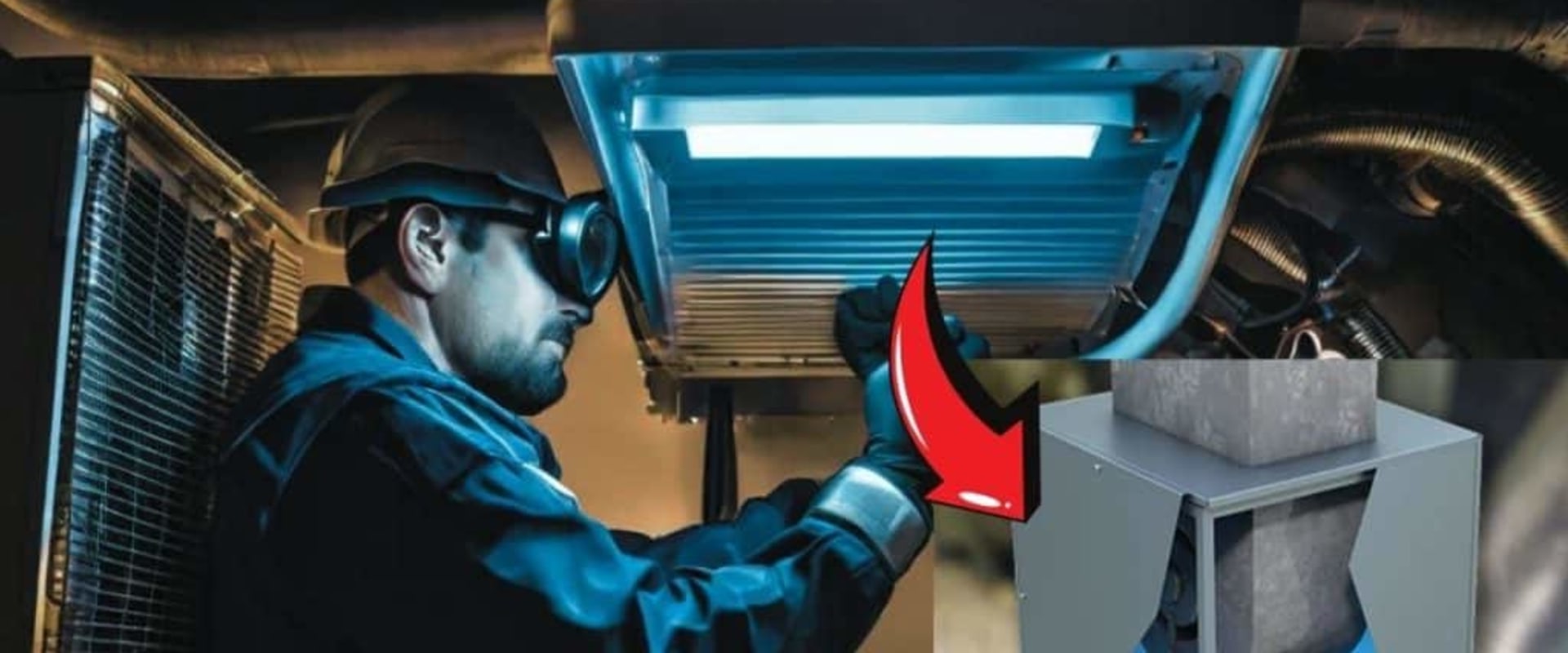
Integrating UV lights into your HVAC system is a strategic move that can significantly enhance both the cleanliness of your system and the quality of the air you breathe. These lights are specifically designed to target and eliminate harmful microorganisms that can thrive in the damp, dark environments of HVAC systems.Typically, UV lights are installed in two primary locations within an HVAC system: the evaporator coil and the ductwork. The evaporator coil is a critical component where moisture often accumulates, creating an ideal breeding ground for mold and bacteria. By placing UV lights near this area, they can effectively neutralize these contaminants before they have a chance to circulate throughout your home.In addition to the evaporator coil, UV lights can also be positioned within the ductwork itself.This placement allows for continuous exposure of the air passing through the ducts to ultraviolet light, further ensuring that any airborne pathogens are eradicated. This dual approach maximizes the effectiveness of UV light installation, providing comprehensive protection against indoor air pollutants.The primary function of these UV lights is to disrupt the DNA of microorganisms such as bacteria, viruses, and mold spores. When these pathogens are exposed to UV-C light, their ability to reproduce is effectively destroyed, leading to a significant reduction in their presence in your home. This not only helps maintain a cleaner HVAC system but also contributes to improved indoor air quality .Moreover, by keeping your HVAC system cleaner, UV lights can enhance its efficiency.
A clean system operates more effectively, which can lead to lower energy consumption and reduced utility bills. In essence, the installation of UV lights serves a dual purpose: it protects your health by improving air quality while also promoting energy efficiency within your home.In summary, the role of UV lights in HVAC systems is multifaceted. They are essential for:
- Killing harmful microorganisms that can compromise indoor air quality.
- Preventing mold and mildew growth on critical components like evaporator coils.
- Enhancing energy efficiency by maintaining a cleaner system.
- Providing peace of mind for homeowners concerned about air quality.
Types of UV Lights for HVAC Systems
When considering UV light installation in your HVAC system, it's essential to understand the different types of UV lights available and how they function. Each type serves a unique purpose and can significantly enhance the air quality in your home.Spiral Sterilization Lamps
Spiral sterilization lamps are designed to be installed directly within the HVAC system, typically near the evaporator coil.These lamps emit UV-C light, which is highly effective at destroying microorganisms such as bacteria, mold, and viruses. The spiral design allows for a broader exposure area, ensuring that air passing through the system is thoroughly treated.
- Advantages:
- Effective Microbial Control: These lamps can significantly reduce the presence of harmful pathogens in your air supply.
- Maintenance of System Efficiency: By preventing mold and mildew buildup on the coils, spiral sterilization lamps help maintain optimal airflow and energy efficiency.
- Long Lifespan: Most spiral lamps have a long operational life, reducing the frequency of replacements.
Air Sterilization Lights
Air sterilization lights are typically installed within the ductwork of your HVAC system. Unlike spiral sterilization lamps, these lights focus on treating the air as it travels through the ducts. They work by emitting UV-C light that disinfects the air before it enters your living spaces.- Advantages:
- Comprehensive Air Treatment: Air sterilization lights ensure that all air circulating through your home is treated, providing a higher level of protection against airborne contaminants.
- Odor Reduction: By eliminating bacteria and mold that can cause unpleasant odors, these lights contribute to a fresher indoor environment.
- Easy Installation: These systems can often be integrated into existing ductwork with minimal disruption to your home.
When deciding on a UV light installation, consider your specific needs and consult with a professional to determine which type will best suit your HVAC system and enhance your home's air quality.
Health Benefits of Installing UV Lights
Installing UV lights in your HVAC system offers a multitude of health benefits that can significantly enhance the quality of the air you breathe at home. One of the primary advantages is the reduction of allergens, which can be particularly beneficial for individuals suffering from allergies or respiratory conditions.Allergen Reduction
- UV lights work by targeting and eliminating common allergens such as pollen, dust mites, and pet dander. These allergens can accumulate in your HVAC system and be recirculated throughout your home, exacerbating allergy symptoms.
- By installing UV lights, you can effectively reduce the presence of these irritants, leading to a more comfortable living environment.
Killing Bacteria and Viruses
Another significant health benefit of UV light installation is its ability to kill harmful bacteria and viruses. Research has shown that UV-C light can deactivate a wide range of pathogens, including:
- Influenza virus: Studies indicate that UV lights can reduce airborne influenza virus levels by up to 90%, which is crucial during flu season.
- Staphylococcus aureus: This bacteria, known for causing skin infections and respiratory issues, can also be effectively neutralized by UV light.
- Mold spores: Mold can thrive in damp environments, and its spores can trigger allergic reactions and respiratory problems.
UV lights help prevent mold growth within your HVAC system.
Improving Overall Air Quality
The cumulative effect of reducing allergens, bacteria, and viruses leads to a significant improvement in indoor air quality. Cleaner air not only enhances comfort but also promotes better health outcomes:
- Reduced risk of respiratory infections and illnesses.
- Improved sleep quality due to fewer irritants in the air.
- Enhanced overall well-being for all household members, especially those with pre-existing health conditions.
Energy Efficiency and Cost Savings
One of the most compelling reasons to consider UV light installation in your HVAC system is the potential for enhanced energy efficiency. When UV lights are integrated into your heating and cooling systems, they play a crucial role in maintaining the cleanliness of the components, which directly impacts their operational efficiency.Over time, dust, mold, and other contaminants can accumulate on the evaporator coils and within the ductwork of your HVAC system.This buildup not only hampers airflow but also forces your system to work harder to maintain the desired temperature. As a result, your energy consumption increases, leading to higher utility bills. By installing UV lights, you can significantly reduce this buildup.
How UV Lights Improve Energy Efficiency
- Reduction of Contaminants: UV lights effectively kill mold spores and bacteria that thrive in dark, damp environments. By keeping these contaminants at bay, your HVAC system can operate more efficiently.
- Enhanced Airflow: A clean system allows for better airflow, which means your HVAC unit doesn’t have to work as hard to circulate air throughout your home.
This leads to less energy consumption.
- Longer Equipment Lifespan: Regular maintenance facilitated by UV lights can extend the lifespan of your HVAC equipment. When systems run efficiently without excessive strain, they are less likely to require costly repairs or premature replacements.
Cost Savings Over Time
The initial investment in UV light installation may seem significant; however, the long-term savings can be substantial. Homeowners often notice a decrease in their monthly energy bills after installing UV lights due to improved efficiency. According to various studies, households can save anywhere from 10% to 30% on their energy costs annually when their HVAC systems operate at peak performance.Moreover, by reducing the frequency of repairs and extending the life of your HVAC system, you can save on maintenance costs as well.
This combination of energy savings and reduced repair expenses makes UV light installation a financially sound decision for homeowners looking to improve their indoor air quality while also being mindful of their budget.In conclusion, integrating UV lights into your HVAC system not only enhances energy efficiency but also leads to significant cost savings over time. By investing in this technology, you are taking a proactive step towards a healthier home environment and a more economical approach to managing your energy expenses.
Installation Process for UV Lights
Installing UV lights in your HVAC system is a crucial step towards enhancing indoor air quality. However, the installation process requires careful consideration to ensure effectiveness and safety. Here’s a detailed overview of what to expect during the UV light installation process.Professional Installation vs.
DIYWhile some homeowners may consider a DIY approach to installing UV lights, it is highly recommended to seek professional assistance. Here are several reasons why:
- Expertise: HVAC professionals have the necessary training and experience to handle the complexities of your system. They understand how to integrate UV lights without compromising the efficiency of your HVAC unit.
- Safety: UV lights emit ultraviolet radiation, which can be harmful if not handled properly. Professionals know how to install these systems safely, minimizing risks to both the installer and the occupants of the home.
- Warranty Protection: Many HVAC systems come with warranties that may be voided if modifications are made without professional oversight.
Hiring a qualified technician ensures that your warranty remains intact.
The Installation Process
The installation of UV lights typically involves several key steps:- Assessment: A professional will first assess your HVAC system to determine the best location for the UV lights, usually near the evaporator coil or within the ductwork.
- Preparation: The technician will turn off your HVAC system and prepare the area for installation, ensuring that all necessary tools and materials are on hand.
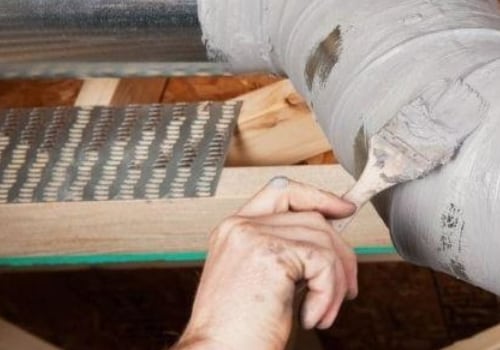
- Installation: The UV light fixture will be securely mounted in the designated area. This may involve drilling holes or making adjustments to existing components.
- Electrical Connections: The technician will connect the UV light to your electrical system, ensuring that it operates safely and efficiently.
- Testing: After installation, the system will be tested to confirm that the UV lights are functioning correctly and effectively purifying the air.
Common Misconceptions About UV Lights
When considering UV light installation in your HVAC system, it's essential to address some common misconceptions that may lead to hesitation or misunderstanding. By clarifying these points, homeowners can make informed decisions about enhancing their indoor air quality.Misconception 1: UV Lights Are Dangerous to Humans
One of the most prevalent concerns regarding UV lights is their safety for human exposure.While it is true that UV radiation can be harmful in excessive amounts, the UV lights used in HVAC systems are designed to operate safely. These lights are typically installed in areas where they are not directly exposed to occupants, such as inside ducts or near the evaporator coil. When properly installed by a professional, the risk of harmful exposure is minimal.
Misconception 2: UV Lights Are Ineffective
Another common myth is that UV lights do not significantly impact air quality. In reality, numerous studies have demonstrated their effectiveness in reducing airborne pathogens.For instance, research indicates that UV lights can eliminate up to 99% of bacteria and viruses when they pass through the light's range. This capability makes them a valuable addition to any HVAC system, particularly for households with allergy sufferers or individuals with compromised immune systems.
Misconception 3: UV Lights Are Expensive to Maintain
Some homeowners worry about the ongoing costs associated with maintaining UV light systems. While there is an initial investment for UV light installation, these systems are generally low-maintenance. The bulbs typically last between 9 to 12 months before needing replacement, and many HVAC professionals offer maintenance packages that include bulb changes as part of routine service.Over time, the benefits of improved air quality and reduced energy costs often outweigh these minor maintenance expenses.
Misconception 4: All UV Lights Are the Same
Not all UV lights are created equal. There are different types of UV lamps designed for various applications within HVAC systems. For example, some are specifically engineered for surface sterilization, while others target airborne pathogens. Understanding the specific needs of your home and consulting with a professional can help you choose the right type of UV light for optimal effectiveness.By dispelling these misconceptions, homeowners can better appreciate the role of UV lights in enhancing indoor air quality and making their living spaces healthier and more comfortable.Comparing UV Lights to Other Air Quality Solutions
When it comes to enhancing indoor air quality, homeowners often find themselves weighing the benefits of various solutions.Among these, UV light installation stands out as a powerful option, but how does it compare to other air quality solutions like air purifiers and filters? Understanding the differences can help you make an informed decision for your home.
UV Lights vs. Air Purifiers
Air purifiers are designed to remove particles from the air, including dust, pollen, and pet dander. They typically use HEPA filters to capture these contaminants. While air purifiers are effective at trapping larger particles, they may not be as efficient at eliminating microorganisms such as bacteria and viruses.This is where UV lights come into play.UV lights work by emitting ultraviolet radiation that disrupts the DNA of microorganisms, effectively killing them or rendering them inactive. This makes UV lights particularly effective against mold spores and airborne pathogens that traditional air purifiers might miss. In fact, studies have shown that UV light can reduce airborne viruses by up to 90%, providing an additional layer of protection in conjunction with air purifiers.
Filters: The Traditional Approach
Filters are a staple in HVAC systems and are essential for trapping dust and allergens. However, they require regular replacement to maintain their effectiveness.While high-efficiency filters can capture smaller particles, they do not eliminate biological contaminants. This is where the integration of UV lights can enhance the overall performance of your HVAC system.By installing UV lights alongside your existing filtration system, you can ensure that not only are particles being trapped but also that harmful microorganisms are being neutralized before they can circulate through your home.
Effectiveness Comparison
- Air Purifiers: Excellent for particulate matter but limited in microbial control.
- Filters: Good for trapping allergens; however, they do not kill pathogens.
- UV Lights: Highly effective at killing bacteria and viruses; works best when combined with other systems.
Additional Tips for Improving Indoor Air Quality
While the installation of UV lights in your HVAC system is a significant step towards enhancing indoor air quality, there are several additional strategies you can implement to create a healthier living environment. Here are some effective tips to consider:1.Regular Maintenance of HVAC Systems
Routine maintenance of your HVAC system is crucial for optimal performance and air quality.Here are some key maintenance tasks:
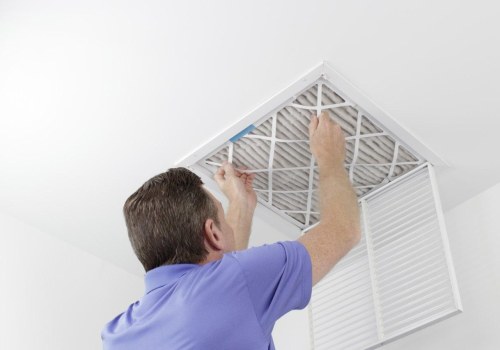
- Change Air Filters: Replace your air filters every 1-3 months, depending on usage and filter type. Clean filters trap dust, pollen, and other pollutants, ensuring cleaner air circulation.
- Schedule Professional Inspections: Have a qualified technician inspect your HVAC system at least once a year. They can identify potential issues and ensure that all components are functioning efficiently.
- Clean Ductwork: Over time, dust and debris can accumulate in your ductwork. Consider having your ducts professionally cleaned every few years to prevent contaminants from circulating in your home.
2.Enhance Ventilation
Proper ventilation is essential for maintaining good indoor air quality.Here are some strategies to improve ventilation:
- Open Windows: Whenever weather permits, open windows to allow fresh air to flow into your home. This helps dilute indoor pollutants and brings in outdoor air.
- Use Exhaust Fans: Utilize exhaust fans in kitchens and bathrooms to remove moisture and odors. This is particularly important in areas prone to mold growth.
- Consider Mechanical Ventilation: If natural ventilation is insufficient, consider installing a mechanical ventilation system that can provide controlled airflow throughout your home.
3.Control Humidity Levels
Maintaining appropriate humidity levels (ideally between 30-50%) can significantly impact indoor air quality:- Use Dehumidifiers: In humid climates or during summer months, dehumidifiers can help reduce excess moisture, preventing mold growth and dust mites.
- Avoid Overwatering Plants: While houseplants can improve air quality, overwatering can lead to mold growth in the soil. Ensure proper drainage and avoid excessive moisture.
A combination of regular maintenance, enhanced ventilation, and humidity control will contribute to a healthier living environment for you and your family.
Conclusion: The Importance of Investing in UV Light Installation
In conclusion, the installation of UV lights in your home's HVAC system is not merely a luxury; it is a vital investment in your family's health and overall comfort. As we have explored throughout this article, the benefits of UV light installation extend far beyond just improving air quality. They play a crucial role in eliminating harmful pathogens, reducing allergens, and enhancing the efficiency of your heating and cooling systems.By integrating UV lights into your HVAC system, you are taking proactive steps to:- Eliminate Mold and Mildew: These lights effectively target and destroy mold spores and mildew that can thrive in damp environments, preventing them from circulating in your home.
- Killing Viruses and Bacteria: The powerful UV rays can neutralize a wide range of viruses and bacteria, significantly lowering the risk of airborne illnesses.
- Reducing Odors: By breaking down organic compounds that cause unpleasant smells, UV lights help maintain a fresher indoor environment.
- Improving Energy Efficiency: A cleaner HVAC system operates more efficiently, which can lead to lower energy bills and a reduced carbon footprint.
It is an opportunity to safeguard your family's well-being while also ensuring that your HVAC system operates at its best. Don't hesitate to reach out to professionals who can guide you through the selection and installation process, ensuring that you reap all the benefits that UV lights have to offer.