Here’s the part that catches people. The sky turned orange hours after the number did. You can’t see PM2.5 drifting through your kitchen, and you won’t smell it until there’s already plenty of it, but your furnace filter keeps score whether you look at it or not. Pull one that’s been in since the first of the month and you’ll see the week you just lived through.
A clean-air room is how you stop losing that fight. One positive thing about air quality Minnesota is that homeowners can respond quickly by creating one room that is sealed, filtered, and kept that way while the air outside is bad. It takes about an hour, and mostly you’ll use things already sitting in the house.
TL;DR Quick Answers
Air Quality Minnesota
Minnesota air is good most days and turns fast. Two pollutants drive nearly every bad-air day we get.
Wildfire smoke, measured as PM2.5. It drifts down from Saskatchewan, Manitoba, and Ontario, and in July 2026 it came from our own Boundary Waters. Heaviest May through October.
Ground-level ozone. It builds on hot, sunny, stagnant afternoons and eases after dark, so mornings and evenings stay cleaner.
The scale runs 0 to 500. Under 100, go about your day. Over 100, sensitive groups pull back. Over 150, everybody belongs inside breathing filtered air. The state issues an alert whenever the forecast tops 101.
Here's what most air quality pages leave out. That outdoor number quietly sets your indoor number too. Fine particles slip past closed windows and doors within an hour or two, and you spend roughly 90 percent of your life inside. Checking the map is half the job. Filtering what already got in is the other half, and that half is the one you actually control.
Top Takeaways
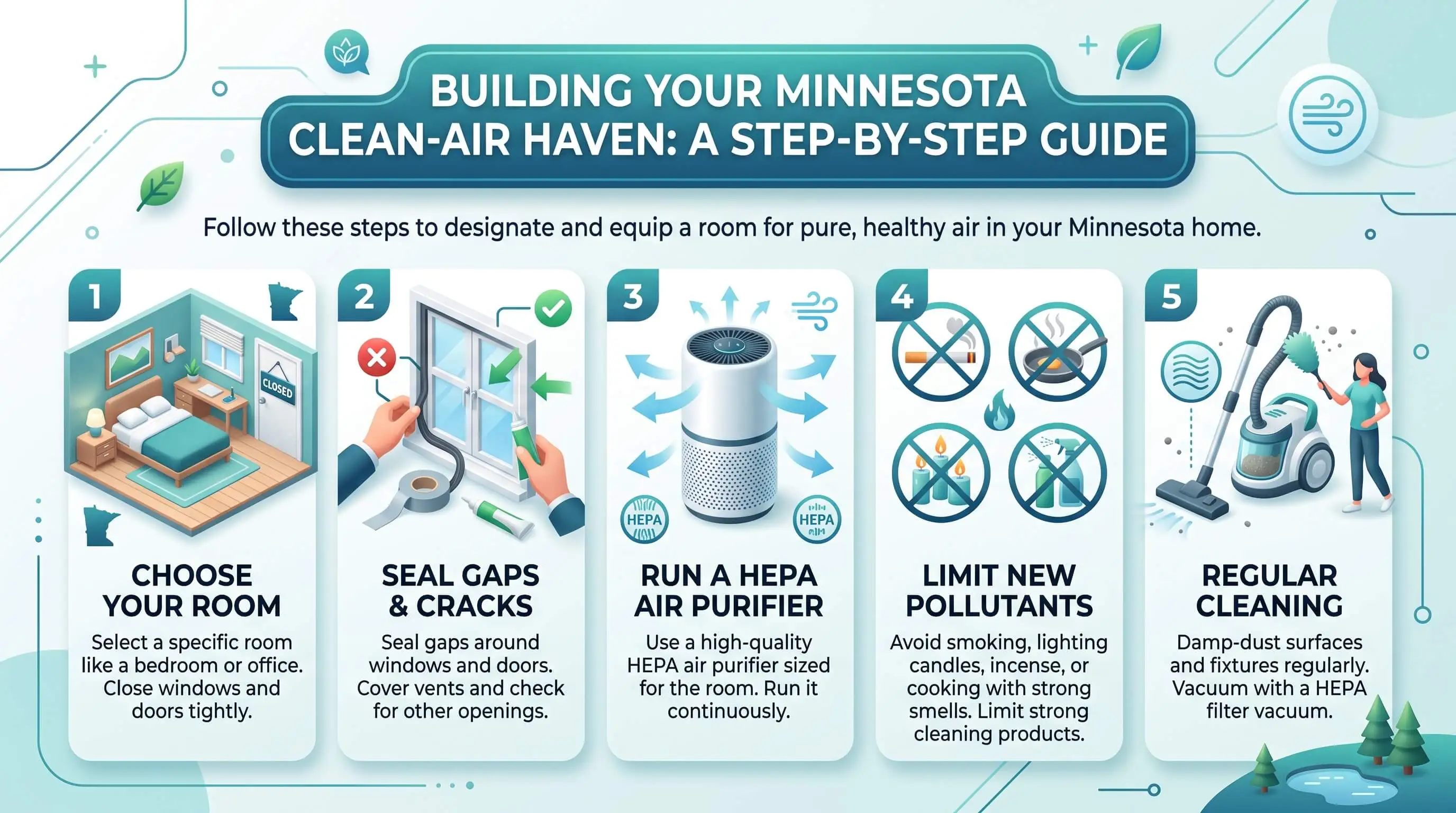
Choose the smallest room you’ll actually sit in, usually a bedroom, and avoid garage walls, fireplaces, and any room with an exhaust fan running.
For wildfire smoke, size the portable cleaner so its smoke CADR roughly matches the room’s square footage.
Set the HVAC fan to On instead of Auto, put in a MERV 8 filter, and switch the system to recirculate.
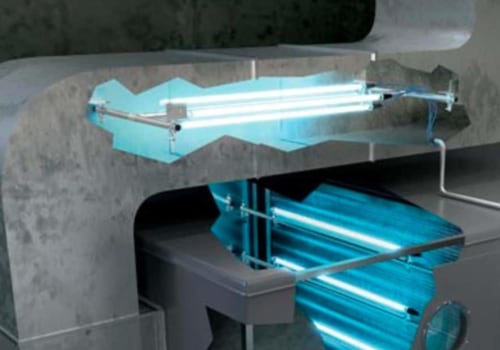
UV lamps handle microorganisms, not the fine particles in smoke, so they don’t replace filtration during an alert.
A particle sensor tells the truth. Your nose doesn’t, because the smell clears out well before the particles do.
Why a Minnesota Home Needs One
Our air is rarely one story on any given day. The state runs from the Iowa line clear up to the Canadian border, and that north-to-south reach is why a plume can park over Duluth while Rochester stays green, then flip the other way inside a day.
Three things drive our bad days. Wildfire smoke out of Saskatchewan, Manitoba, and Ontario rides in on northwest flow, carrying particles fine enough to reach deep into the lungs. Ground-level ozone cooks up on hot, sunny, stagnant afternoons and backs off after dark. And in winter, cold still nights pin wood smoke and vehicle exhaust close to the ground.
That third one surprises almost everybody. Folks file this away as a July problem, then January hands them a neighborhood full of trapped chimney smoke and nobody thinks to check the map.
Check the Number First
Your local reading decides whether you bother at all. Under 100, go live your life. Above 100, sensitive groups pull back and the room goes into service. Above 150, everybody belongs inside breathing filtered air.
I start with the live air quality index map for Minnesota and find the monitor closest to my own roof rather than the statewide figure. An average smooths out exactly the variation that matters in a state this tall.
That reading also names whichever pollutant is driving it, and the two behave nothing alike. Smoke shows up at any hour and can sit for days, so the room stays shut until the number comes down. Ozone peaks in the afternoon and eases overnight, which hands you clean windows early and late.
Which Room Should You Choose?
Start small. Pick the smallest room you can stand being in for several hours, because your cleaning power gets locked in the moment you buy the unit, and room volume is the one thing you still get to choose.
From there, work down a short list. Fewer windows and exterior doors is better. Steer clear of any room sharing a wall with an attached garage, and skip rooms with a fireplace or wood stove, since a flue is a hole punched straight through whatever seal you build. Don’t choose the spare room nobody sits in either. A clean-air room you never use protects nobody.
For most families the answer’s a bedroom. You spend seven or eight unbroken hours in there, it already has a door that shuts, and it’s usually small enough for a modest cleaner to handle without straining. If somebody in the house has asthma, their bedroom wins.
One trap catches people over and over. They pick an interior bathroom because it has no windows, then leave the exhaust fan running out of pure habit. That fan vents outdoors, and it pulls replacement air, smoke and all, in through every gap in the house.
How Do I Seal It?
Sealing a house is imperfect and always will be. What it really does is buy your filtration a head start, so do the easy version well and then quit fussing over it.
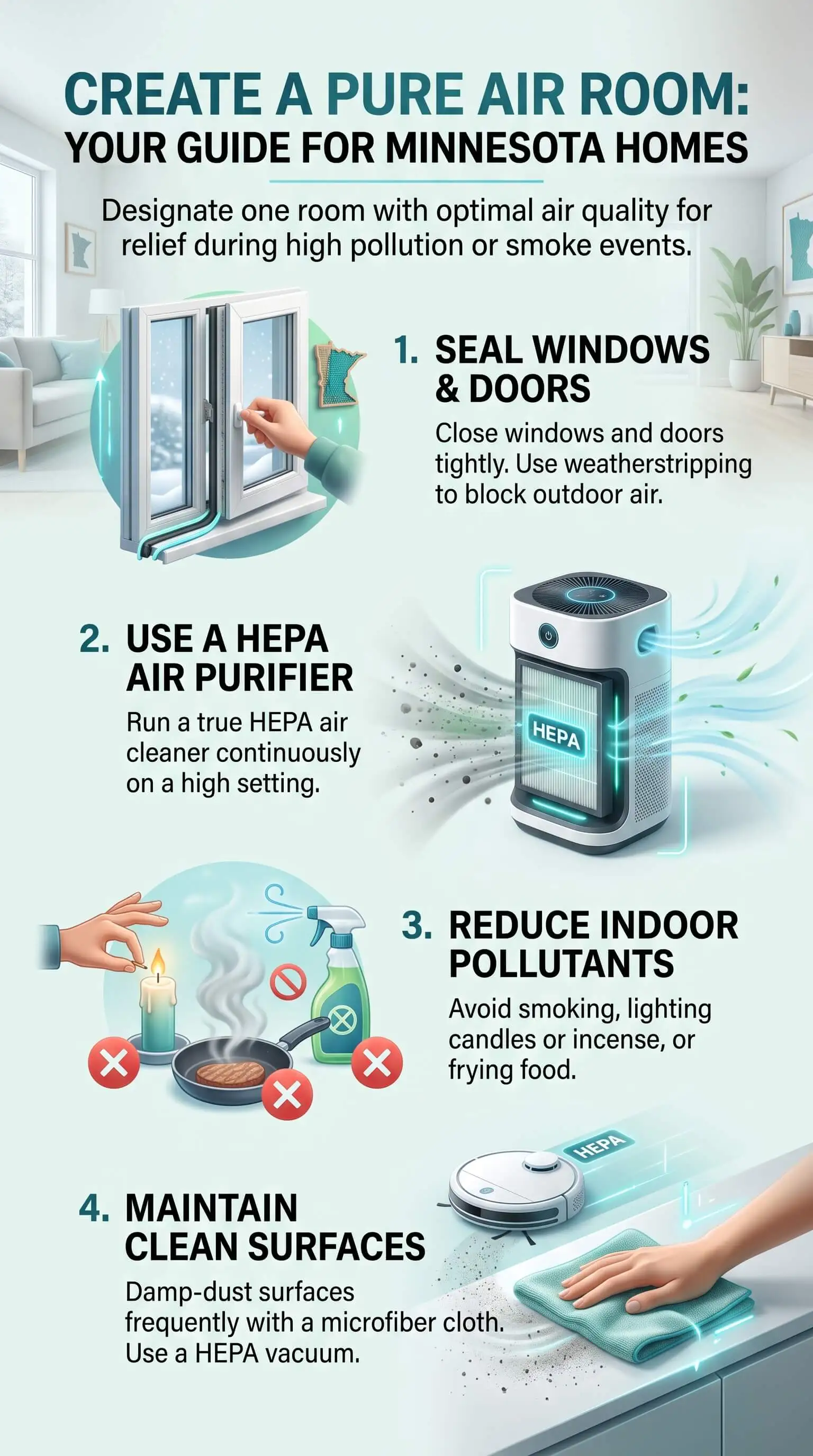
Latch the windows instead of just sliding them shut, because latching compresses the weatherstrip and an unlatched sash doesn’t. Check the door sweep. If daylight shows under an exterior door, a rolled towel is a perfectly good answer at eleven at night. Close the fireplace damper. And if your system draws fresh air from outside, switch it over to recirculate.
Then start turning things off. Kitchen and bath exhaust fans go first, along with gas cooking if you can work around it, candles, and any vacuuming you’d do without a sealed HEPA machine. Every one of those either drags outside air in or dumps particles straight into the room you’re trying to protect.
What Should You Run in There?
Sizing is where most setups quietly fall apart, and it’s the first thing I’d fix in almost any house.
Portable cleaners get rated by clean air delivery rate. For wildfire smoke, the Association of Home Appliance Manufacturers recommends a smoke CADR roughly equal to your room’s square footage, not the two-thirds figure people quote for ordinary dust and pollen. A twelve-by-fourteen bedroom works out to 168 square feet, so you want something near 168, not the 110 you’d otherwise settle for. Certified units size themselves around 4.8 air changes an hour. Chase that number.
Then run the thing on high. A cleaner turned down to whisper mode does a fraction of its rated work, and that fraction isn’t what you paid for.
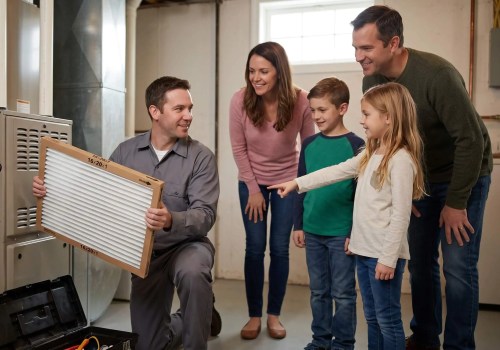
Your whole-house system still carries real weight here. Put in a MERV 13, set the thermostat fan to On rather than Auto so it filters continuously instead of only while heating or cooling, and plan on swapping that filter well ahead of the calendar. Smoke loads a filter in weeks.
One correction, since this site covers UV installation and the question comes up every single season. UV lamps go after microorganisms growing on coil and drain surfaces. They don’t remove particles, and wildfire smoke is particles. Keep the UV system if you’ve got one, and don’t count it as smoke protection, because that mix-up is how good homeowners get caught out on an alert day.
How Do I Know It Worked?
Buy a low-cost particle sensor. It’s the only honest feedback you’ll ever get, and watching your bedroom number drop while the outdoor number holds flat beats any advice on a page, mine included.
Short of that, pull the furnace filter out and hold it up. Gray in three weeks tells you plainly what made it inside.
Don’t trust your nose. Those volatile compounds that make smoke smell like smoke fade well before the fine particles do, so a room can smell perfectly clean while the count is still up. That gap is exactly when people crack the windows again.
"The mistake I see most is people building the room after the smoke shows up. By then you’re cleaning a space that’s already loaded, and even a correctly sized unit needs a couple of hours to catch up. The homes that ride out a bad stretch comfortably are the ones where somebody put a fresh filter in and parked the cleaner in the bedroom back in May. I watched a twelve-by-fourteen bedroom fall from a sensor reading in the high sixties down under ten in about forty minutes, and it only worked because that door had been shut since the alert posted the night before. The room doesn’t clean your air. What it does is shrink the problem down to a size your cleaner can actually beat."
7 Essential Resources
These are free, kept current, and each one answers a different question you’ll have on a bad-air day.
AirNow Fire and Smoke Map shows you where the plume actually sits, so you spot a smoke day coming instead of waking up inside one.
CDC wildfire smoke guidance spells out who under your roof carries the most risk and what to do for them.
AHAM air filtration standards walk through CADR and give you the sizing math before you spend money on the wrong unit.
ENERGY STAR room air cleaners matters because this appliance runs around the clock, and the running cost stacks up across a season.
The Inside Story, from EPA and CPSC covers indoor air beyond smoke, which is the other ten months of your year.
American Public Health Association smoke checklist is the plainest list I’ve found of what to stop doing indoors while smoke sits outside.
NRDC guide to staying safe from wildfire smoke sorts out masks, including the common ones that do nothing at all against fine particles.
These trusted smoke, filtration, and indoor-air resources can also help homeowners prepare for an HVAC system tune up, making sure airflow, filtration, and system performance are ready before wildfire smoke or poor outdoor air becomes a bigger indoor problem.
Supporting Statistics
An F for the metro. The American Lung Association State of the Air 2026 report ranks the Twin Cities 39th worst in the country for short-term particle pollution and counts 723,418 Minnesota kids living with unhealthy air.
Roughly two weeks of smoke on the books. The Minnesota Pollution Control Agency summer outlook forecast 12 to 16 days of wildfire smoke impacts this season, plus four to six days of ozone unhealthy for sensitive groups.
Ninety percent of your life happens indoors. The U.S. Environmental Protection Agency reports Americans spend about 90 percent of their time inside, where some pollutants run two to five times higher than outdoor levels.
With Minnesota facing more smoke days and many families spending most of their time indoors, choosing top air filters can be a positive step toward cleaner indoor air by helping capture more of the particles that make their way inside.
Final Thoughts and Opinion
An hour of work and a few hundred dollars buys you more protection than anything else you can do to a house. I don’t say that lightly. Nothing else moves your actual exposure that far, that fast, and you’re the one who gets to decide whether your family breathes it.
It also gets oversold, and I’d rather be straight with you about that. A sealed bedroom with a properly sized cleaner cuts fine particles substantially, and it still doesn’t make the air safe at any outdoor reading. It does nothing for the hours you spend in the rest of the house. It’s no reason to skip an N95 when you have to be outside during an alert. Anyone in your household with a heart or lung condition should be following their doctor rather than a number on a map.
The instinct I’d push back on hardest is the urge to solve this by buying more equipment, including UV lights in HVAC systems when the basics haven’t been handled first. Most Minnesota homes I’ve been in don’t need another gadget. They need the right filter, a door that stays shut, and somebody who checked the reading before opening a window.
Frequently Asked Questions
At What AQI Should I Actually Set the Room Up?
Put it into service once your local reading passes 100. Below that, most people are fine going about a normal day. Above 150, everybody in the house should be inside breathing filtered air, not just sensitive groups. And if tomorrow’s forecast calls for an alert, build it tonight.
Does a UV Light Help With Wildfire Smoke?
No. UV lamps in an HVAC system target microorganisms living on coil and drain surfaces, which is a different job entirely from pulling particles out of the air. Wildfire smoke is fine particulate matter, and only filtration captures it. Keep the UV if you have it, and don’t count it as smoke protection.
Can I Use a Box Fan and a Furnace Filter Instead of a Purifier?
A well-built box fan filter setup moves a meaningful amount of clean air for a fraction of the cost of a commercial unit. It’s louder, it carries no certified rating, and fan safety varies by model. As a stopgap when the shelves are empty, which during a bad week they will be, it’s a reasonable thing to have in your back pocket.
Should the Clean-Air Room Be My Bedroom?
For most people, yes. You spend seven or eight unbroken hours in there, it already has a door, and bedrooms tend to be small enough for a modest cleaner to keep up with. If somebody in the house has asthma or a heart condition, start with their bedroom instead.
How Long Does It Take for the Room to Clear?
With a correctly sized unit running on high behind a closed door, expect a noticeable drop inside thirty to sixty minutes and steady conditions after that. An undersized unit may never fully catch up while smoke keeps working its way in, which is why sizing matters far more than brand.
Your Next Step
Walk the house tonight. Pick your room, run a hand along the door sweep, check the attic installation, and make sure a spare filter in the right size is sitting on the shelf where you can find it in the dark. Then check the reading tomorrow morning before you open a single window.
That’s the whole job, and you’re the one in your house who’s going to do it. Which room did you land on, and what kept you from setting one up sooner?