In the ever-evolving world of beauty and personal care, UV and LED nail lamps have emerged as indispensable tools for achieving flawless gel manicures. These devices not only enhance the aesthetic appeal of nails but also play a crucial role in the curing process, ensuring that gel polish adheres effectively and lasts longer. As more salons adopt these technologies, understanding their functionality and energy usage becomes essential for both professionals and clients alike.The significance of UV and LED nail lamps extends beyond mere convenience; they represent a shift towards more efficient and durable nail treatments. While traditional nail polish often chips or fades within days, gel polish cured under these lamps can maintain its luster for weeks.
This longevity is primarily due to the unique curing process facilitated by these lamps, which involves the polymerization of gel molecules through exposure to specific light wavelengths. However, with this advancement comes a need for clarity regarding their energy consumption and safety.Many clients express concerns about the energy usage associated with these lamps, often wondering if they are environmentally friendly or if they contribute significantly to salon overhead costs. Additionally, there are lingering myths about the potential health risks posed by UV exposure during nail treatments. By delving into the mechanics of how UV light installation works in these devices, we can demystify their operation and address common misconceptions.
This exploration will not only highlight the efficiency of LED lamps compared to their UV counterparts but also provide insights into making informed choices for nail care.As we navigate through the intricacies of UV and LED nail lamps, it is vital to consider both their benefits and limitations. Understanding these factors will empower clients to make educated decisions about their nail care routines while also equipping salon professionals with the knowledge needed to optimize their services. Join us as we uncover the truth behind these popular beauty tools, focusing on their energy usage, safety, and overall impact on the beauty industry.
How UV and LED Nail Lamps Work
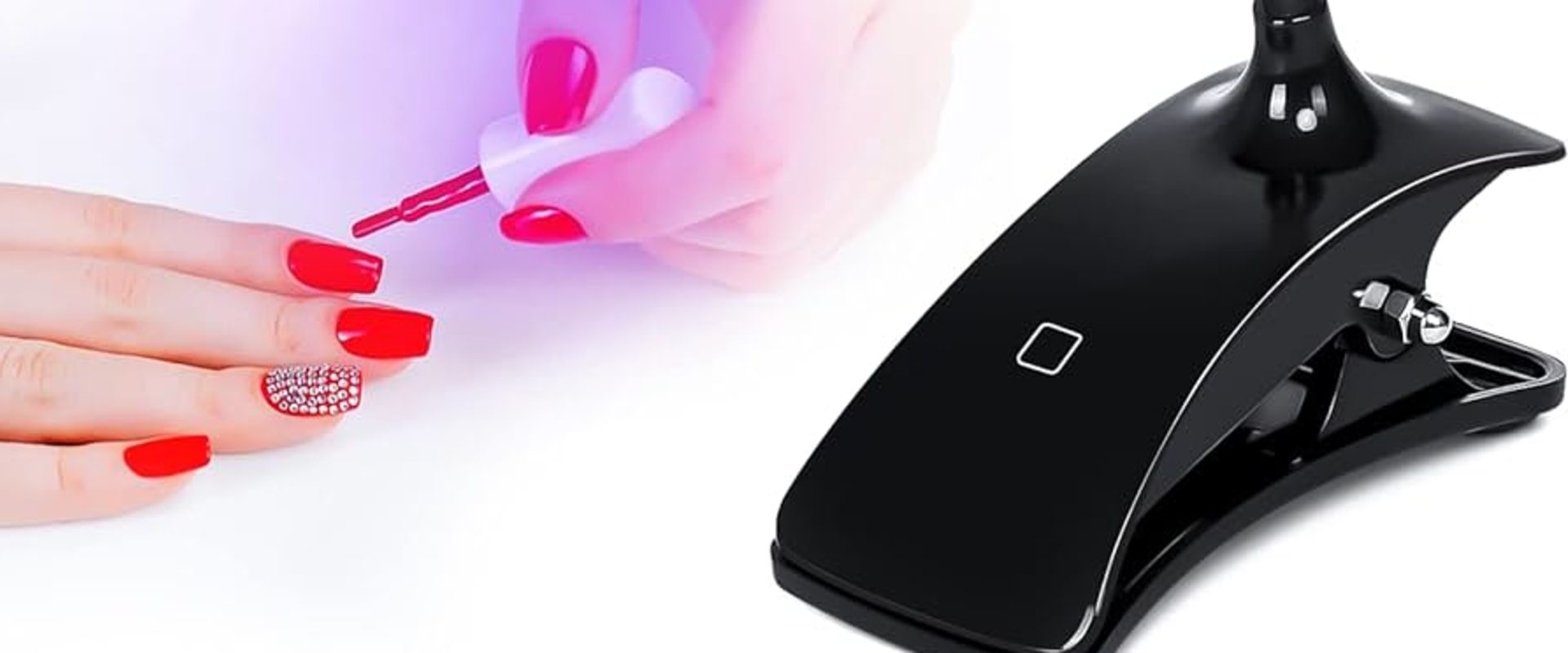
Understanding how UV and LED nail lamps work is essential for anyone interested in gel nail polish application. Both types of lamps serve the same primary purpose: to cure gel polish, but they do so through different mechanisms and light emissions.How UV Lamps Work
UV lamps
operate by emitting ultraviolet light, which is a type of electromagnetic radiation.
When gel polish is applied to the nails, it contains photoinitiators—substances that react to UV light. Upon exposure to the UV rays, these photoinitiators undergo a chemical reaction that causes the gel polish to harden or cure.The typical wattage for UV lamps ranges from 36 to 72 watts. The higher the wattage, the faster the curing process. For instance, a 36-watt UV lamp can cure gel polish in about 2 minutes, while a 72-watt lamp can do it in under a minute.
However, it’s important to note that prolonged exposure to UV light can pose risks, such as skin damage over time.
How LED Lamps Work
LED lamps
, on the other hand, utilize light-emitting diodes to produce light at specific wavelengths. Most LED lamps emit light at around 365 nanometers, which is particularly effective for curing gel polishes designed for LED use. The curing process with LED lamps is similar to that of UV lamps; however, the reaction occurs more quickly due to the focused spectrum of light.One of the significant advantages of LED lamps is their energy efficiency. They typically consume between 9 and 24 watts, making them less power-hungry than their UV counterparts.
Additionally, LED lamps have a longer lifespan and do not require bulb replacements as frequently as UV lamps.
Curing Gel Polish: The Science Behind It
The curing process is crucial for achieving a durable and long-lasting manicure. When gel polish is applied, it remains in a liquid state until exposed to either UV or LED light. The light activates the photoinitiators in the gel formula, leading to polymerization—a process where small molecules bond together to form a solid structure.This polymerization is what gives gel nails their strength and longevity. While both types of lamps effectively cure gel polish, choosing between them often depends on personal preference and specific product requirements.Some gels are formulated exclusively for use with UV or LED lamps, so it’s essential to check compatibility before making a selection.In summary, both UV and LED nail lamps play vital roles in the nail care industry by providing efficient curing solutions. Understanding their mechanisms not only helps in making informed choices but also enhances the overall nail care experience.
Energy Consumption of UV vs. LED Nail Lamps
When it comes to the energy consumption of nail lamps, understanding the differences between UV and LED options is crucial for both salon professionals and home users. Each type of lamp operates on different wattages, which directly impacts their energy usage and efficiency.Energy Consumption of UV Lamps
UV nail lamps typically operate at higher wattages, commonly ranging from 36 watts to 72 watts.
The higher wattage allows for faster curing times, which is particularly beneficial in busy salon environments where time is money. However, this increased power consumption also means that UV lamps can lead to higher electricity bills over time.Moreover, the energy usage of UV lamps can vary based on the number of bulbs they contain. A standard UV lamp may have multiple bulbs, each consuming around 9 watts. This cumulative wattage can add up quickly, especially if the lamp is used frequently throughout the day.
Energy Consumption of LED Lamps
In contrast, LED nail lamps are designed to be more energy-efficient, typically operating at lower wattages of 9 watts to 24 watts.
This significant reduction in power consumption not only makes them more cost-effective but also environmentally friendly. For example, a 24-watt LED lamp can cure gel polish in approximately 30 seconds to a minute, depending on the specific product used.The efficiency of LED lamps stems from their ability to emit light at specific wavelengths that are optimal for curing gel polish. This targeted approach means that less energy is wasted compared to the broader spectrum emitted by UV lamps.
Wattage Comparison and Implications
- Cost Efficiency: Over time, using an LED lamp can result in lower electricity costs due to its reduced wattage.
- Curing Speed: While UV lamps may cure faster due to higher wattage, LED lamps offer comparable speeds with significantly less energy consumption.
- Longevity: LED lamps generally have a longer lifespan than UV lamps, which means less frequent replacements and further savings.
The Myths Surrounding Energy Usage
When it comes to energy usage in nail salons, several myths have emerged regarding the efficiency of UV and LED lamps.Understanding these misconceptions is crucial for both salon professionals and clients who want to make informed choices about their nail care.
Myth 1: UV Lamps Are More Energy Efficient Than LED Lamps
One of the most prevalent myths is that UV lamps are more energy-efficient than their LED counterparts. In reality, LED lamps consume significantly less power while providing faster curing times. For instance, a typical LED lamp operates at around 9 to 24 watts, whereas UV lamps generally range from 36 to 72 watts. This means that not only do LED lamps use less electricity, but they also cure gel polish in a fraction of the time, making them a more efficient choice overall.
Myth 2: All Gel Polishes Work Equally Well with Both Types of Lamps
Another common misconception is that all gel polishes can be cured under both UV and LED lamps without any issues.
However, this is not the case. Some gel polishes are specifically formulated for UV curing and may not perform optimally under LED lights. Conversely, many modern gel polishes are designed to cure quickly and effectively under LED lamps, which can lead to faster service times in salons.
Myth 3: Longer Exposure Equals Better Curing
Many believe that longer exposure to UV light results in better curing of gel polish. This is misleading; both UV and LED lamps are designed to cure gel polish within specific time frames.
Overexposure can actually lead to damage or degradation of the polish rather than enhancing its durability.
Myth 4: UV Lamps Pose a Significant Health Risk
While it’s true that UV light can be harmful with prolonged exposure, the risk associated with using nail lamps is minimal. Most studies indicate that the amount of UV radiation emitted by these lamps is significantly lower than that from natural sunlight. Nevertheless, for those concerned about potential risks, opting for an LED lamp eliminates this worry entirely since they do not emit harmful UV rays.
Conclusion
Understanding these myths surrounding energy usage can help clients and professionals make better decisions regarding nail care tools. By choosing energy-efficient options like LED lamps, salons can reduce their electricity consumption while providing high-quality services.
Safety Concerns: UV Rays and Skin Health
As the popularity of gel nails continues to rise, so do the concerns regarding the safety of UV exposure from nail lamps.Many clients express apprehension about the potential risks associated with using these devices, particularly in relation to skin health. Understanding these concerns is crucial for both salon professionals and clients alike.
UV Rays and Their Impact on Skin Health
Ultraviolet (UV) rays are a form of electromagnetic radiation that can have harmful effects on the skin. Prolonged exposure to UV rays is known to contribute to skin aging, sunburn, and even skin cancer. While the UV lamps used in nail salons emit a lower intensity of UV radiation compared to direct sunlight, it is still essential to consider the cumulative effects of repeated exposure over time.Research indicates that the risk of skin damage from UV nail lamps is relatively low when used correctly.
A study published in JAMA Dermatology found that the amount of UV radiation emitted by these lamps is significantly less than that from a tanning bed or even a day at the beach. However, it is important to note that any exposure carries some risk, especially for individuals with fair skin or a history of skin cancer.
Safety Measures for Nail Lamp Use
To mitigate potential risks associated with UV exposure during nail treatments, several safety measures can be implemented:
- Use Sunscreen: Applying a broad-spectrum sunscreen with an SPF of 30 or higher on your hands before using a UV lamp can provide an additional layer of protection against harmful rays.
- Limit Exposure: Minimize the frequency of gel nail applications and consider alternating with regular nail polish to reduce overall UV exposure.
- Consider LED Lamps: Opting for LED nail lamps can be a safer alternative, as they emit significantly less UV radiation and cure gel polish more quickly.
- Protective Gloves: Wearing UV-blocking gloves that cover the hands while curing nails can further reduce exposure to harmful rays.
The Bottom Line
While there are valid concerns regarding the safety of UV exposure from nail lamps, understanding the actual risks and implementing protective measures can help alleviate fears. By choosing safer alternatives like LED lamps and taking precautions during treatments, clients can enjoy beautiful nails without compromising their skin health.
Choosing the Right Lamp for Your Needs
When it comes to selecting the right nail lamp, understanding your specific needs is crucial. Whether you are a professional nail technician or someone who enjoys doing their nails at home, the choice of lamp can significantly impact the quality and durability of your gel manicure.1.Assessing Your Usage
- Home Use: If you are looking for a nail lamp for personal use, consider how often you plan to use it.
For occasional use, a lower wattage LED lamp (around 24 watts) may suffice. These lamps are generally more affordable and energy-efficient, making them ideal for home users.
- Professional Use: For salon settings, investing in a high-quality UV or LED lamp with higher wattage (36 watts or more) is advisable. These lamps not only cure gel polish faster but also accommodate a higher volume of clients, ensuring efficiency during busy hours.
2.Understanding Lamp Types
- UV Lamps: These lamps are versatile and can cure a wide range of gel polishes. However, they typically take longer to cure compared to LED lamps.
If you frequently use various gel brands, a UV lamp might be beneficial.
- LED Lamps: Known for their speed and efficiency, LED lamps cure gel polish in seconds. They are also more energy-efficient and have a longer lifespan than UV lamps. If you primarily use gel polishes designed for LED curing, this is the best option.
3.Features to Consider
- Timer Settings: Look for lamps with adjustable timer settings to customize curing times based on the specific gel polish you are using.
- Size and Design: Consider the size of the lamp and whether it can accommodate both hands or feet simultaneously. A larger design may be more convenient for professional use.
- Portability: If you travel frequently or need to perform nails on-the-go, opt for a lightweight and compact model that is easy to transport.
4.Recommendations
- Best Nail Lamp for Home Use: A compact LED lamp with 24 watts is perfect for personal use, providing quick curing without taking up much space.
- Professional Nail Lamp Options: Look for high-wattage LED lamps with multiple timer settings and a spacious design to cater to various client needs efficiently.
By considering factors such as usage frequency, type of gel polish, and desired features, you can make an informed decision that enhances your nail care experience.
Frequently Asked Questions About Nail Lamps
As the popularity of gel nails continues to rise, many clients and professionals alike have questions about the use of UV and LED nail lamps. Below are some of the most frequently asked questions that can help clarify common doubts and enhance understanding.What is the difference between UV and LED nail lamps?
The primary difference lies in the type of light they emit. UV lamps emit a broader spectrum of ultraviolet light, which can cure a variety of gel polishes. In contrast, LED lamps emit a narrower spectrum of light, specifically designed to cure certain gel formulations more quickly and efficiently.This means that while both types can be effective, LED lamps often cure gel polish faster.
Are UV nail lamps safe to use?
While there has been concern regarding the safety of UV exposure from nail lamps, studies indicate that the risk is minimal when used properly. The amount of UV radiation emitted by these lamps is significantly lower than that from natural sunlight. However, if you are concerned about UV exposure, consider using an LED lamp , which does not emit harmful UV rays.How long should I expose my nails to the lamp?
The curing time varies depending on the type of lamp and gel polish used. Generally, UV lamps require about 2-3 minutes for curing, while LED lamps can cure gel polish in as little as 30 seconds to 1 minute.Always refer to the manufacturer's instructions for specific curing times.
Can I use any gel polish with both types of lamps?
No, not all gel polishes are compatible with both types of lamps. Some gels are specifically formulated for UV curing, while others are designed for LED curing. Always check the product label to ensure compatibility with your lamp type.Do LED lamps last longer than UV lamps?
Yes, LED lamps generally have a longer lifespan compared to UV lamps. This is due to their solid-state technology, which makes them more durable and less prone to bulb replacement.Additionally, LED bulbs do not require warm-up time, making them more efficient for salon use.
What precautions should I take when using nail lamps?
- Use sunscreen: Apply a broad-spectrum sunscreen on your hands before using a UV lamp to minimize skin exposure.
- Avoid overexposure: Limit your sessions to recommended times to reduce any potential risks.
- Select quality products: Choose reputable brands for both gel polish and nail lamps to ensure safety and effectiveness.
Conclusion: Making Informed Choices About Nail Lamps
In conclusion, understanding the differences between UV and LED nail lamps is crucial for both salon professionals and clients alike. As we have explored throughout this article, the energy consumption of these lamps varies significantly, with LED lamps offering a more energy-efficient option without compromising on performance. This is particularly important in a world increasingly focused on sustainability and reducing energy usage.When considering UV light installation , it’s essential to weigh the benefits and drawbacks of each type of lamp. While UV lamps have been a staple in the beauty industry for years, their higher energy consumption and longer curing times can be a disadvantage in busy salon environments.On the other hand, LED lamps not only cure gel polish faster but also consume less electricity, making them a more environmentally friendly choice.Moreover, safety should always be a priority when selecting nail lamps. Although research indicates that the risk of skin damage from UV nail lamps is minimal, it is wise to take precautions. For those who are particularly concerned about UV exposure, opting for LED lamps can provide peace of mind, as they do not emit harmful UV rays.Ultimately, making an informed choice involves considering your specific needs—whether you are a salon owner looking to optimize efficiency or a client wanting to ensure your safety during nail treatments. By understanding the nuances of UV light installation and the advantages of LED technology, you can make decisions that align with your values and lifestyle.As the beauty industry continues to evolve, staying informed about the tools we use is essential.
Whether you choose UV or LED lamps, being aware of their energy usage and safety implications will empower you to enjoy beautiful nails while making responsible choices.